Bulk Building Materials in Vladimir, Russia: A Practical Guide for Builders and Contractors
Bulk Building Materials in Vladimir, Russia: A Practical Guide
Whether you’re building a house, repairing roads, or doing large landscaping works in Vladimir and the surrounding oblast, understanding how to source, order and store bulk building materials will save time and money. This guide covers the most common materials, local considerations, calculation tips and a supplier checklist specific to the Vladimir region.
Common bulk materials and typical uses
— Sand — mortar, concrete, bedding for paving, backfill.
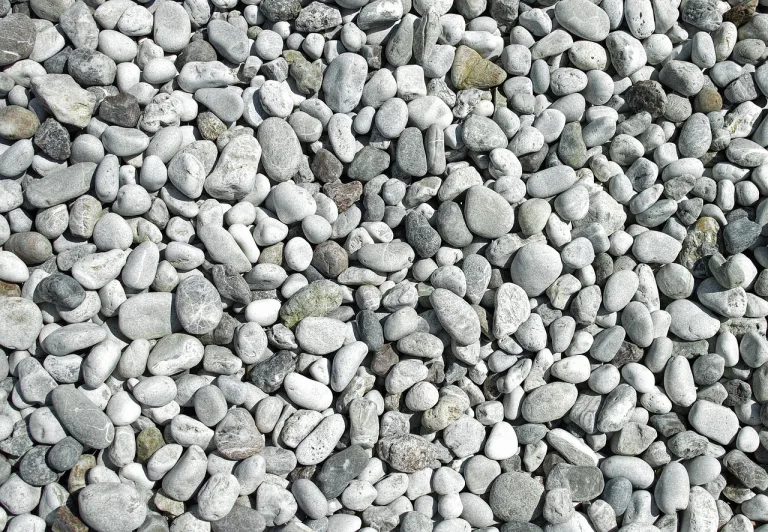
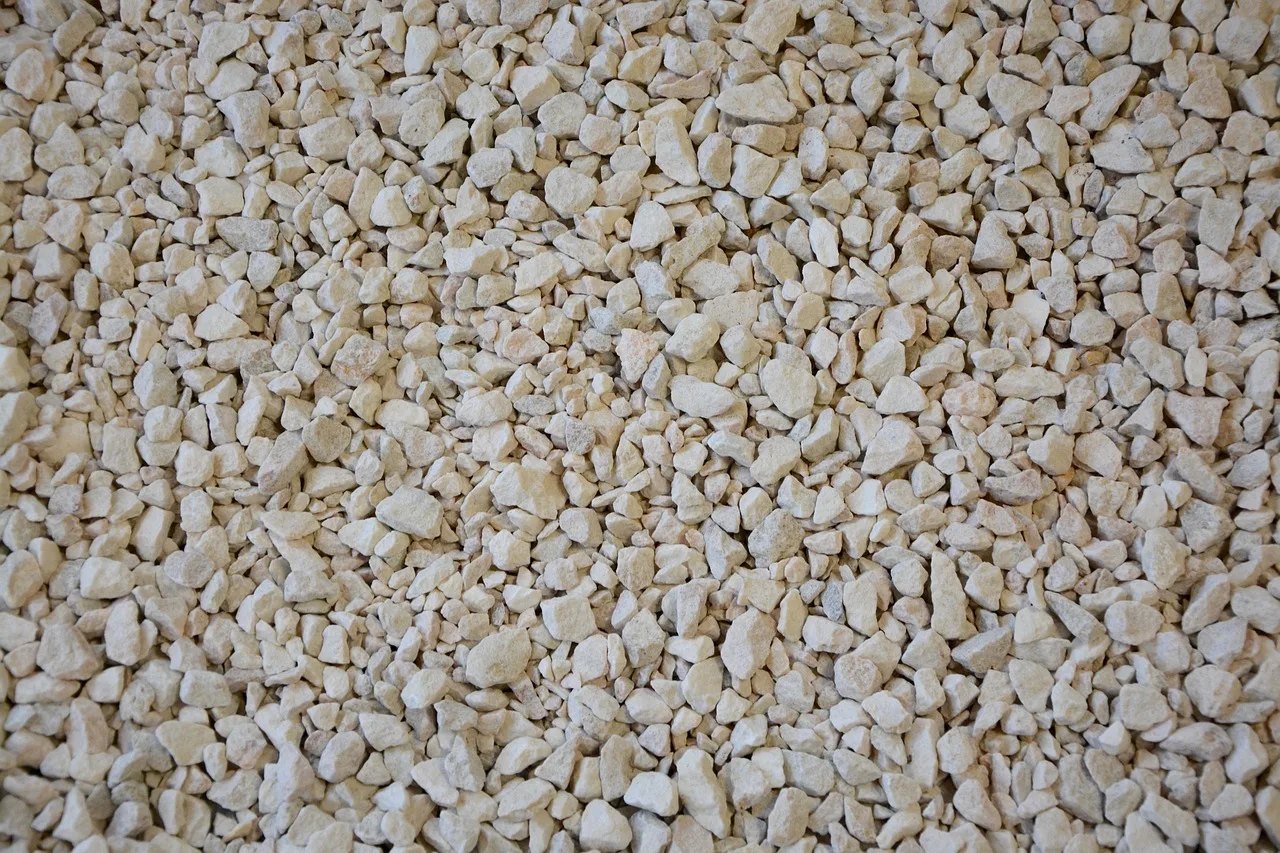
— Gravel / Crushed stone — concrete aggregate, drainage, road base.
— Ballast — coarse mix for structural concrete.
— Crushed brick / recycled concrete — subbase, temporary roadways, landscaping.
— Topsoil and fill — landscaping, grading.
— Bulk cement (silo delivery) and fly ash — large concrete pours; fly ash as additive.
— Bitumen (bulk/containers) — roadwork and roofing.
— Aggregate blends / screenings — base layers, paving beds.
Local considerations for Vladimir
— Climate: long, cold winters with freeze–thaw cycles. Choose materials and gradations with good frost resistance and low fines where drainage is critical.
— Transport: Vladimir sits on the M7 (E22) corridor and has rail connections — road delivery by dump truck (e.g., KAMAZ), tilt-sider, or rail hoppers is common. Confirm access to your site (turning radius, weight limits on rural roads).
— Seasonality: spring thaw (rasputitsa) can delay delivery to unpaved sites; plan heavy deliveries before thaw or after stabilization.
— Standards and certificates: insist on conformity with Russian standards (ГОСТ) or appropriate certificates (сертификат соответствия) for aggregates and cement.
Practical calculation tips
1. Measure the area and design depth in meters.
Example: driveway 50 m2 at 0.15 m depth → 50 × 0.15 = 7.5 m3.
2. Allow for compaction and waste: generally add 5–15% extra depending on handling and material.
3. Convert cubic meters to tonnes using bulk density ranges (approximate):
— Sand (dry, loose): 1.4–1.7 t/m3
— Gravel / crushed stone: 1.4–1.7 t/m3
— Crushed brick / recycled aggregate: 1.2–1.6 t/m3
— Topsoil (dry): 1.2–1.6 t/m3
Example: 7.5 m3 of gravel × 1.5 t/m3 = ~11.25 tonnes. Add 10% ≈ 12.4 t.
Always ask the supplier for their measured bulk density — it varies by moisture and grain shape.
Delivery and logistics
— Typical delivery vehicles: KAMAZ dump truck (~10–20 t), semi-trailer dump (~20–30 t), rail hoppers for very large consignment, silo truck for bulk cement.
— Verify: site access, unloading method (side or rear dump), offloading area hardness (avoid soft ground that traps trucks).
— Agree on load volume/tonnage and a tolerance policy (how over/under loads are handled).
— For large concrete projects, consider local ready-mix plants and silo cement delivery to avoid repeated bag handling.
Storage and handling on site
— Keep aggregates covered from rain and snow to avoid fines contamination and freezing.
— Bagged cement: store on pallets, off the ground, under waterproof cover; use within manufacturer’s shelf life.
— Bulk cement: if using silos, ensure clean, dry transfer lines and dust control.
— Store topsoil and recycled materials separated to avoid contamination.
— Protect aggregates from de-icing salts and contaminants that reduce frost resistance.
Quality checks and standards
— Request: particle size gradation (плотность зернового состава), dust/silt content, frost resistance (морозостойкость) for aggregates.
— Ask for material certificates and test reports (GOST conformity). For cement, check compliance with GOST 31108 or applicable standard and date of production.
— For reused materials (crushed concrete), verify absence of harmful contaminants (bitumen, organics, heavy metals).
Cost-control and negotiation
— Buy by volume or tonnage and compare delivered prices (include transport).
— Consolidate orders to reduce delivery frequency — bulk discounts are common.
— Get at least three quotes including delivery windows and unloading conditions.
— Ask suppliers about seasonal promotions and quarry proximity: closer quarries often mean lower transport costs.
Environmental and regulatory notes
— Check local restrictions for large-scale earthworks and material storage—Vladimir municipal regulations can require permits for excavation, especially near water bodies.
— Dispose of waste and excess material responsibly; contractors may be required to document removal.
Quick supplier checklist
— Confirm material type and gradation.
— Request certificates of conformity (ГОСТ / сертификат соответствия).
— Provide precise delivery address and site access notes.
— Order with contingency (5–15%) for waste/compaction.
— Specify vehicle type and whether you need unloading assistance.
— Agree on acceptance criteria and dispute resolution (sampling method).
Final tips
— For structural concrete work, coordinate aggregates, cement type and mix design with your ready-mix supplier or engineer.
— For long-term projects, establish a single reliable supplier and agree on periodic deliveries and quality control sampling.
— When in doubt, request small sample deliveries early to test compaction, drainage and frost performance on-site.
If you’d like, I can:
— Help calculate exact volumes/tons for your specific project in Vladimir,
— Provide a checklist email template to send to suppliers,
— Or draft questions to request certificates and gradation data from vendors.