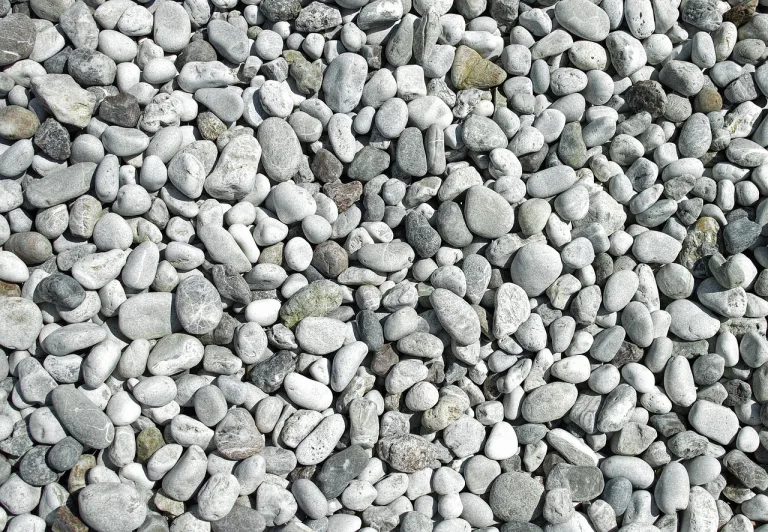
Bulk Building Materials in Vladimir, Russia: A Practical Guide for Contractors and Developers
Introduction
Buying bulk building materials in Vladimir requires balancing price, logistics, and quality — especially given local climate and seasonal constraints. This guide covers what to buy, how to calculate volumes and weights, logistics and storage, regulatory checks, and procurement tips specific to working in Vladimir and the surrounding Vladimir Oblast.
Market overview
— Common buyers: contractors, developers, municipal projects, private builders.
— Typical materials delivered in bulk: sand, gravel, crushed stone, cement (bulk and bags), lime, gypsum, bricks and blocks (palleted), timber, steel rebar, asphalt mixes.
— Delivery modes: dump trucks, flatbeds, tipper wagons, rail hoppers and — where available — barges. Choose the mode by order size and delivery site access.
Common bulk materials and usage notes
— Sand (river/screened/quarry): for concrete, mortar, bedding. Sensitive to moisture—store dry.
— Gravel / crushed stone (various fractions): base layers, drainage, concrete aggregate. Specify fraction (e.g., 5–20 mm).
— Crushed stone screenings / dust: used for bedding/compaction; watch fines content.
— Cement: available in 50 kg bags or tank/bulk shipments. Store in a dry, ventilated space.
— Lime / gypsum: for mortars and plasters; vulnerable to moisture.
— Bricks / blocks (palletized): count per pallet and per m³; check frost resistance class for Vladimir’s winters.
— Reinforcing steel (rebar): delivered in bundles; check GOST grade and certification.
— Timber: treated for ground use; check moisture content.
— Asphalt mixes / bitumen: seasonal and temperature-sensitive.
Logistics and delivery tips
— Specify delivery vehicle by capacity: small vans/GAZelle (~2–3 t), medium dump trucks (~8–15 t), larger tippers/KamAZ (up to ~20–30 t). Confirm with supplier.
— For large volumes, ask about rail hoppers or wagon delivery to the nearest station — often cheaper per ton but requires transshipment.
— Confirm access at delivery site: road width, turning radii, overhead obstructions, legal weight limits on local bridges.
— Delivery documentation: waybill (накладная), invoice with VAT (НДС) shown, and акт приема-передачи (acceptance act) signed at unloading.
Quality, standards and documentation
— Require certificates: *Certificate of Conformity* (Сертификат соответствия) or *Declaration of Conformity* (Декларация соответствия) per GOST/R standards for aggregates, cement, steel, etc.
— Ask for material passports (технический паспорт/паспорт качества) and recent lab test results for granulometry, strength, moisture content, and frost resistance where relevant.
— On-site acceptance: inspect visible quality, sample a batch for tests if large order, and record any discrepancies in the acceptance act before signing.
— For construction subject to municipal or state inspection, ensure materials meet the spec called out in project documentation.
Volume, weight and conversion basics
— Use this formula: mass (kg) = volume (m³) × bulk density (kg/m³). Then divide by 1000 to get tons.
— Typical bulk densities (approximate — always confirm with supplier):
— Sand (dry): ~1,600–1,700 kg/m³
— Gravel / crushed stone: ~1,500–1,800 kg/m³
— Soil/topsoil (loose): ~1,200–1,600 kg/m³
— Cement (bulk equivalent): varies; 50 kg per bag is standard
— Bags: number of cement bags = total mass (kg) / 50.
— Allowances:
— Compaction/settlement and waste: add 2–10% for aggregates, 5–20% for sand/topsoil, higher for excavated backfill (10–30%) depending on site methods.
— Always round up and include contingency (5–10%) for delivery errors and site losses.
Storage and handling on site
— Cement, lime, gypsum: store on pallets, off the ground, under waterproof cover; keep vents for air circulation. Avoid freezing temperatures that cause caking.
— Aggregates: keep separated by fraction, prevent contamination; use geotextile liners to avoid mixing with