Bulk Building Materials in Vladimir, Russia — Buying, Delivery and Storage Guide
Bulk Building Materials in Vladimir, Russia — Buying, Delivery and Storage Guide
Overview
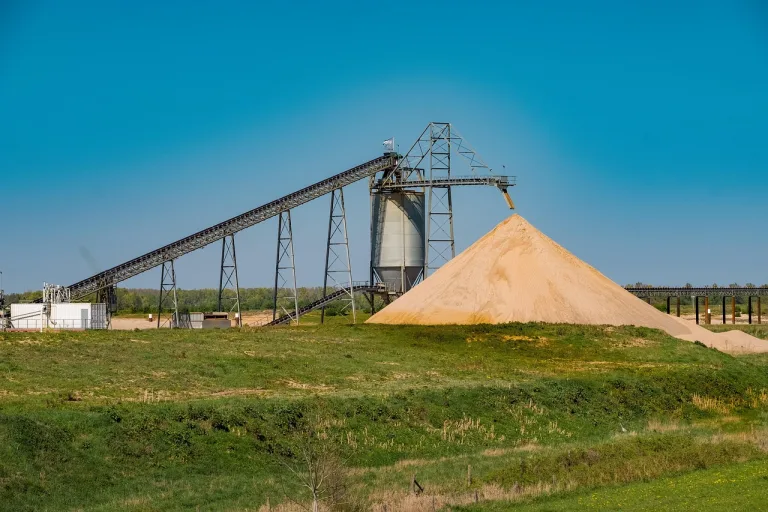
Vladimir and the surrounding Vladimir Oblast are active construction markets with steady demand for bulk building materials: sand, crushed stone, gravel, expanded clay (керамзит), cement (in bulk or bags), and aggregates for concrete and road works. This guide helps you choose suppliers, estimate quantities, arrange delivery, and store materials properly for the local climate and logistics.
Main materials and common uses
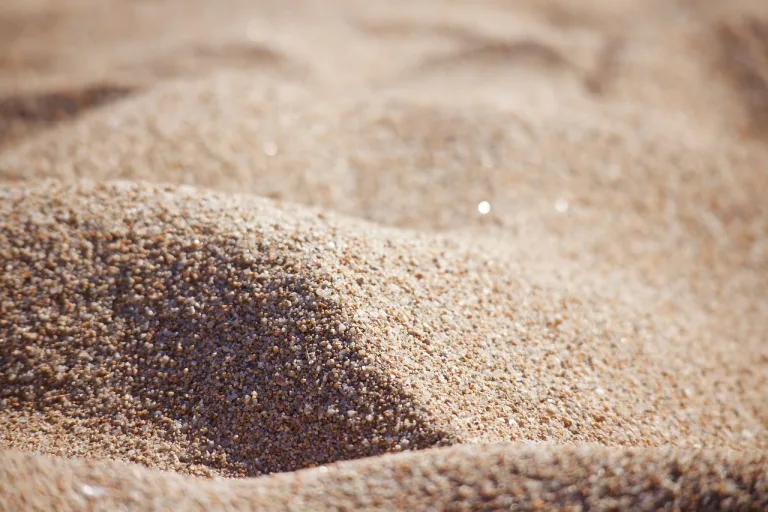
— Sand (песок) — masonry, mortar, concrete, backfilling.
*Typical density:* ~1.5–1.7 t/m³ (approx. 1 m³ ≈ 1.6 t).
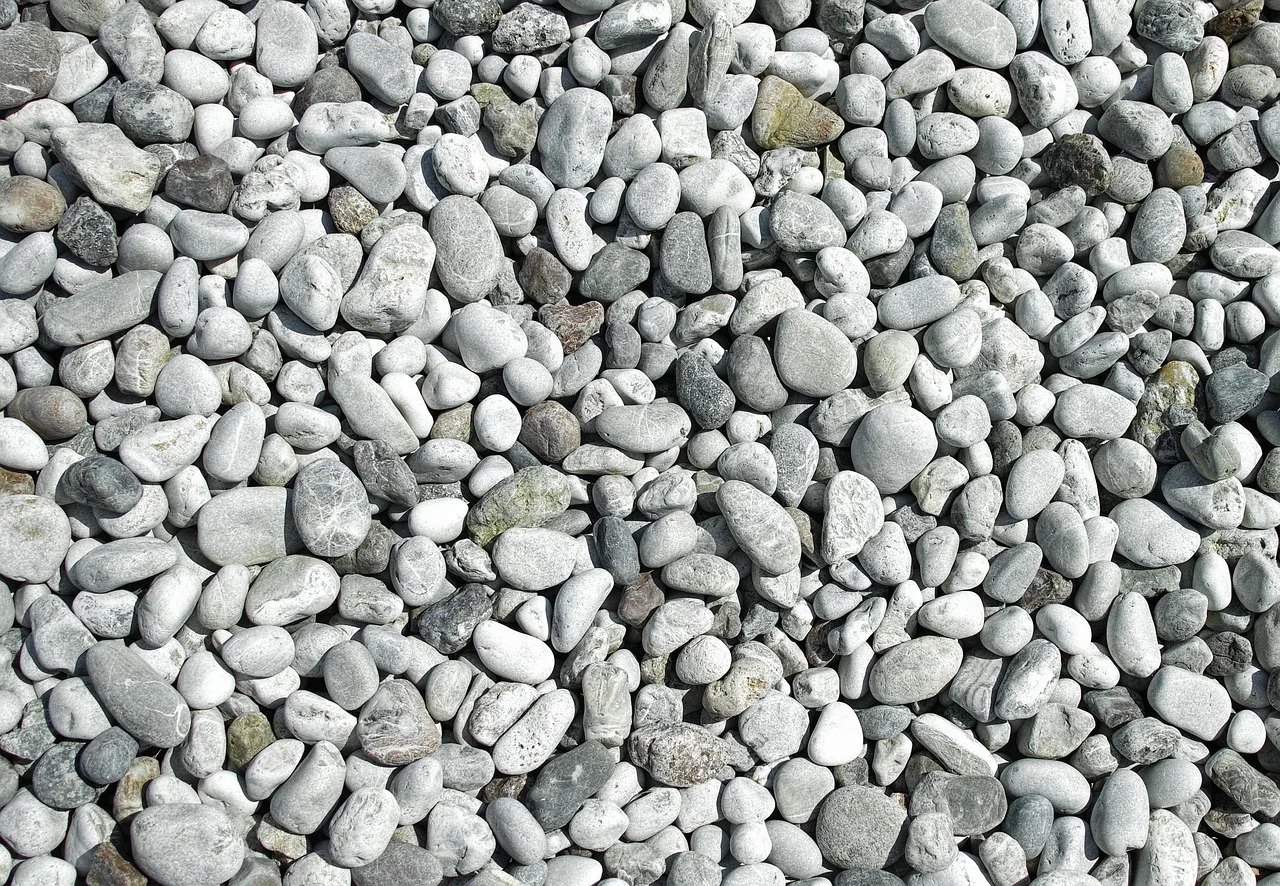
— Crushed stone / aggregate (щебень) — foundations, concrete, roads.
*Typical density:* ~1.4–1.7 t/m³.
— Gravel (гравий) — drainage, concrete mixes, base layers.
*Typical density:* ~1.4–1.6 t/m³.
— Expanded clay (керамзит) — lightweight fill, insulation, drainage.
*Typical density:* ~0.25–0.6 t/m³ (depends on fraction).
— Cement (цемент) — ready-mix plants accept bulk/silo deliveries; small sites often buy 25–50 kg bags.
— Slag, lime, gypsum (шлаковый песок, известь, гипс) — niche uses, check availability.
Note: Densities are approximate — confirm with supplier when converting m³ ↔ tonnes.
Choosing a supplier in Vladimir
— Ask for a *passport of quality* (паспорт качества / сертификат качества) and, if applicable, GOST compliance (ГОСТ) or technical certificates.
— Prefer suppliers with:
— Local delivery fleet (dump trucks, low-loaders, bulk tankers for cement).
— Experience supplying to regional projects and references.
— Clear pricing per m³ or per tonne and transparent delivery charges.
— Check proximity to reduce transport costs: local quarries and gravel pits around Vladimir reduce delivery time and price.
Ordering & delivery logistics
— Specify: material type, fraction size (e.g., 5–20 mm), quantity (m³ or tonnes), delivery address, access constraints, required vehicle type, and desired delivery window.
— Typical vehicles:
— Dump truck (самосвал) — common for sand, gravel, crushed stone.
— Grain/dump trailers or big-bags — for some lightweight materials.
— Cement silo trucks — for bulk cement; or palletized bags for small volumes.
— Plan for site access: truck turning radius, bridge/road weight limits (M7 and regional roads may have restrictions), overhead wires, and on-site unloading space.
— For large deliveries, check for need of permits for oversized/overweight loads on local roads.
Storage and handling — Vladimir-specific tips
— Winters are long and wet seasons cause thawing. Protect materials from moisture:
— Cover sand, cement bags, and expanded clay with tarpaulins or store in a shed.
— Keep cement off the ground on pallets and under a roof.
— Separate different fractions and avoid contamination (use berms or geotextile liners).
— For expanded clay, avoid prolonged exposure to snow/mud — store on pallets under cover.
— Label stockpiles and rotate (first-in, first-out) to prevent quality loss.
Estimating quantities and costs
— Convert between volume and weight using supplier-provided densities. Common approximations:
— Sand ≈ 1.6 t/m³
— Crushed stone ≈ 1.5–1.7 t/m³
— Expanded clay ≈ 0.25–0.6 t/m³
— Ask suppliers whether prices are per m³ or per tonne and whether delivery, loading/unloading, and VAT are included.
— Typical cost drivers: distance from quarry, truck type, season (winter deliveries may be more expensive), demand spikes.
Quality checks & documentation
— Request and keep:
— Quality certificate / паспорт качества.
— Delivery note / накладная with quantity and vehicle number.
— Test reports for critical aggregate fractions or cement (if for structural concrete).
— On delivery, inspect:
— Fraction consistency (no unexpected fines or large rocks).
— Moisture content for sand/aggregates (excessive moisture affects mix ratios).
— Packaging condition for cement bags.
Quick ordering checklist
— Material type and grade/fraction
— Quantity (m³ or tonnes) and density assumption
— Delivery address and access notes
— Vehicle type and unloading method
— Desired delivery date/time window
— Price confirmation (including delivery, VAT)
— Quality documents requested
— Contact person and phone on site
Sample order texts
— English (short):
«Please confirm price and availability for 20 m³ of 0–5 mm sand for delivery to [address, Vladimir] on [date]. Vehicle: 20-ton dump truck. Please send passport of quality and total cost including delivery.»
— Russian (useful on local sites):
«Подтвердите, пожалуйста, наличие и цену на 20 м³ песка фр. 0–5 мм с доставкой по адресу [адрес, Владимир] на [дата]. Машина: самосвал 20 т. Пришлите паспорт качества и итоговую стоимость с доставкой.»
Conclusion
Buying bulk materials in Vladimir requires attention to supplier reliability, correct fraction and quantity calculations, and protection against local weather. Verify certificates, confirm logistics in advance, and plan storage to preserve material quality. If you need, I can help: calculate required volumes from your project specs, draft an order email in Russian, or suggest a checklist tailored to your site.