Bulk Building Materials in Vladimir, Russia: A Practical Guide
Overview
Vladimir and the surrounding Vladimir Oblast remain active construction markets with steady demand for bulk building materials—sand, gravel, crushed stone, cement (in bulk or big bags), topsoil, and industrial by‑products. Good road and rail links to Moscow and Nizhny Novgorod make sourcing and delivery reasonably efficient, but local climate, standards and logistics still shape cost and timing.
Key bulk materials and practical specs
— Sand (песок): used for concrete, mortar, backfill. Typical compacted density ~1,600 kg/m³ (varies by moisture and grain).
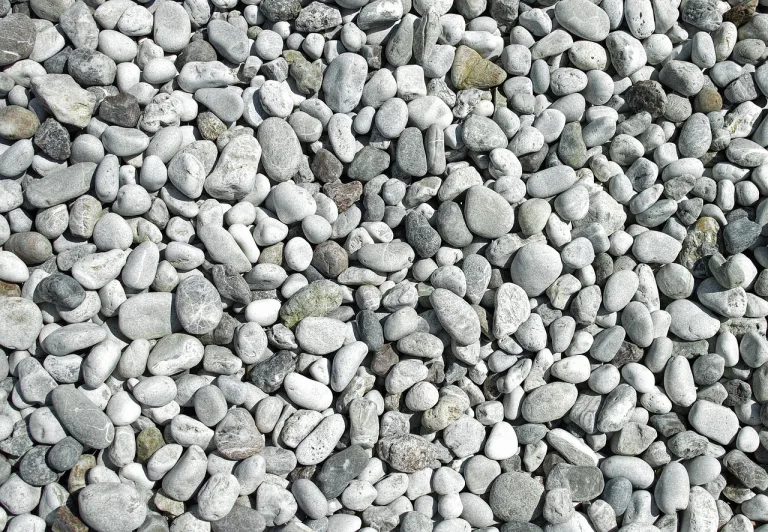
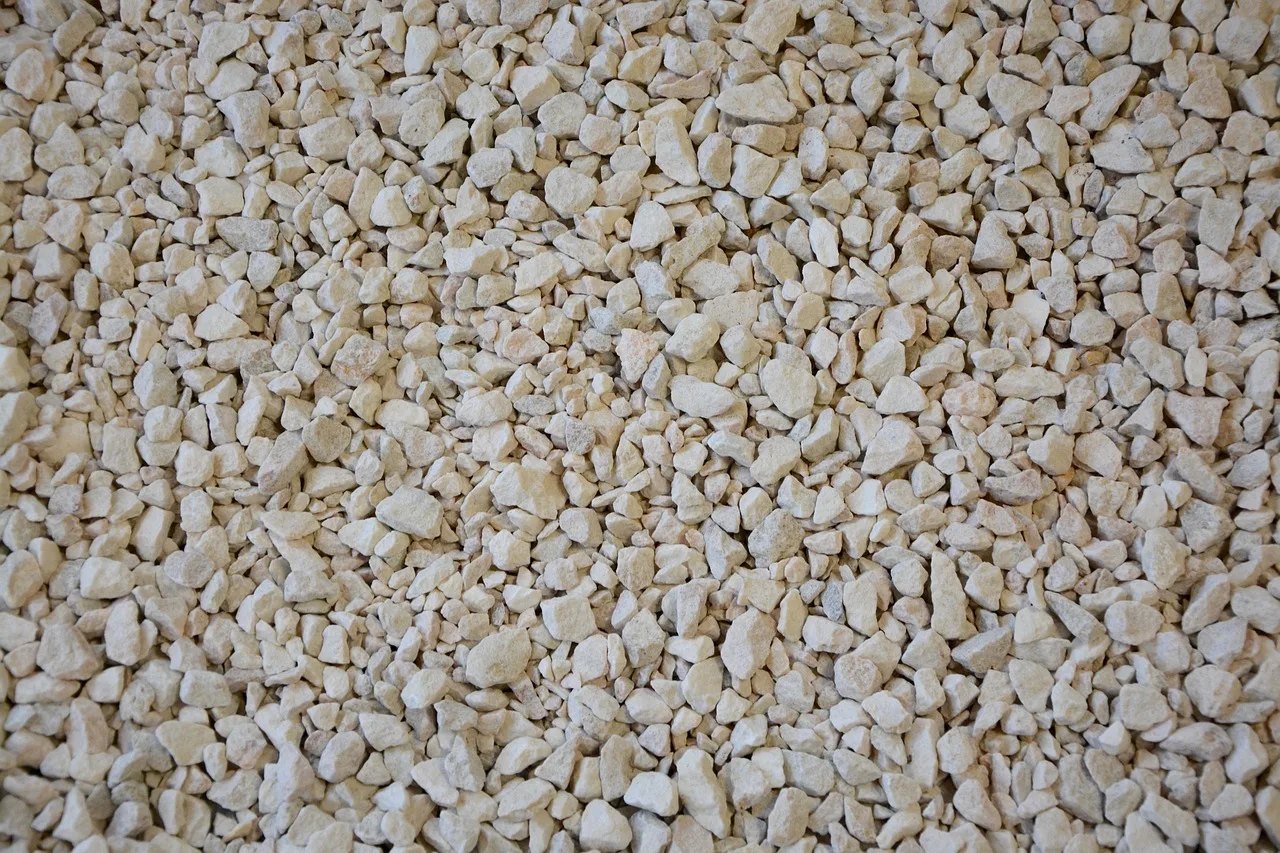
— Crushed stone / gravel (щебень): primary aggregate for concrete and base courses. Density roughly 1,400–1,800 kg/m³ depending on fraction.
— Cement (bulk or big bags): store dry and frost‑free; buy certified batches (check manufacture date).
— Topsoil and loam: for landscaping and levelling; watch organic content if used under foundations.
— Industrial aggregates (fly ash, slag): good for some mixes and cost savings — ensure compatibility and certification.
— Lime, gypsum, drymixes: often delivered in big bags for larger jobs.
(Use local test results or supplier data to confirm exact densities and particle size distributions.)
Standards and quality control
— Insist on GOST or TS (technical specification) certificates for each delivery batch.
— Request sieve analysis and moisture content for sands and aggregates.
— For cement: check batch number, production date, and conformity certificate.
— For large projects, have a local lab or independent tester do random checks on grain size, fines content and frost resistance.
Finding suppliers in Vladimir
— Search for local quarries and aggregate yards in Vladimir Oblast; many transport via highway M7 (Volga Highway) and regional rail.
— Use local construction forums, trade directories and B2B marketplaces to compare prices and reviews.
— Ask suppliers about minimum order sizes, delivery windows, and whether they perform unloading on site.
— Prefer suppliers with their own transport fleet (dump trucks, gondola rail cars) to reduce coordination issues.
Logistics and delivery tips
— Typical delivery methods: dump truck (самосвал), tipper semi‑trailer, rail gondola for very large volumes; some suppliers use conveyors for quick unloading.
— Verify road access on your site (turning radius, allowed axle loads). Heavy trucks may need special permits for fragile rural roads.
— Include unloading method in contract—manual, mechanical, or self‑dumping—and associated costs.
— Schedule deliveries to avoid extreme winter freezing or spring thaw road restrictions (rasputitsa).
Ordering, quantities and pricing
— Calculate required volume with a margin for waste/compaction: commonly add 5–15% depending on usage.
— Convert volumes to tonnes using supplier density figures if pricing is per tonne (confirm actual density).
— Get at least three written quotes including delivery, unloading and any taxes or fees.
— Negotiate bulk discounts for larger, repeat orders and ask about seasonal promotions.
— Clarify payment terms, penalties for late delivery, and return policy for off‑spec material.
Storage and site handling
— Store aggregates on impermeable, drained surfaces and keep sorted by type and fraction.
— Cover stockpiles to prevent contamination and moisture increase; protect cement in dry, heated storage during winter.
— Minimize time between delivery and use to avoid segregation and freezing.
— Keep clear inventory records by batch for quality traceability.
Seasonal considerations in Vladimir
— Winters are cold—frozen ground affects excavation and handling; cement and mixes require frost protection.
— Spring thaw (rasputitsa) can limit heavy truck movements on rural roads; plan deliveries before or after this period.
— Summer offers easiest handling but may need dust control measures during unloading.
Environmental and regulatory notes
— Check local environmental permits if you plan on large storage areas or dust‑generating operations.
— Consider recycled aggregates or reclaimed asphalt for cost and environmental benefits—verify structural suitability.
— Ensure stormwater run‑off from stockpiles is managed to avoid fines.
Quick checklist before you order
— Define exact material type, fraction and quantity (with contingency).
— Request certificates and lab test results for the batch.
— Confirm delivery vehicle type, unloading method and access route.
— Get written price including delivery, taxes and penalties.
— Arrange on‑site storage and protection, especially for cement and fine sands.
— Schedule deliveries around local weather and road restrictions.
Final recommendations
— Use local suppliers with verifiable certificates and transport to minimize surprises.
— For projects >500 m³, prioritize rail or consolidated deliveries to save cost.
— Have a simple QA process on site—basic grain size checks and moisture sampling—to catch problems early.
— If unsure, consult a local engineer or materials laboratory in Vladimir to confirm specifications.
If you want, I can draft a supplier comparison checklist tailored to your project size and delivery constraints in Vladimir.