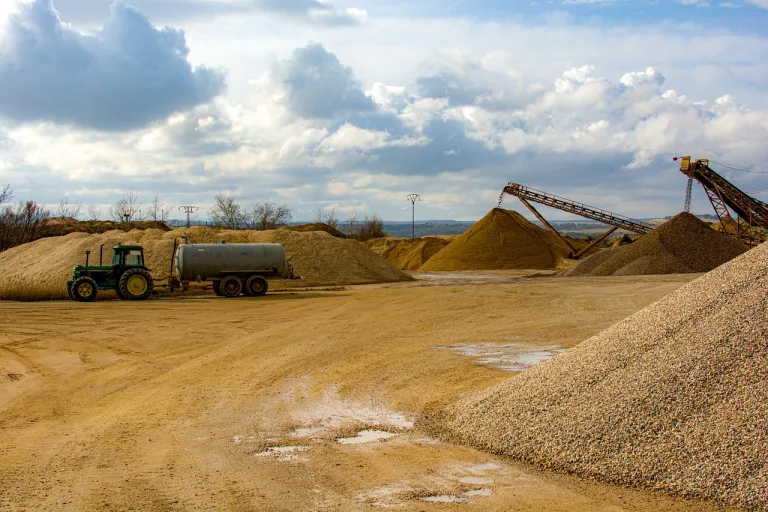
Bulk Building Materials in Vladimir, Russia: Buy Smart, Build Better
Bulk Building Materials in Vladimir: What Builders and DIYers Need to Know
Whether you are a contractor managing a large site or a homeowner completing a renovation in Vladimir (Vladimir Oblast), buying bulk building materials requires planning. This guide covers the common bulk materials, local logistics and seasonality, quality checks, cost-saving tips and sustainable options — all tailored to conditions in Vladimir, Russia.
Common bulk materials and uses
— Sand — for concrete, mortar, backfill and leveling.
— Crushed stone / gravel — for concrete, road base, drainage and foundations.
— Cement (bulk or bagged) — Portland cement for concrete and mortar.
— Lime and gypsum — for mortars, plasters and soil stabilization.
— Bulk aggregates (different fractions) — for specific concrete recipes and bedding layers.
— Bricks, aerated blocks and heavy masonry units — often ordered palletized but considered bulk for large projects.
— Reinforcement (rebar) and mesh — ordered in bundles.
— Timber (treated beams, planks) — for formwork, framing and scaffolding.
— Recycled aggregates (crushed concrete, secondary gravel) — growing in availability and used for base layers.
Local considerations for Vladimir, Russia
— Climate: cold winters with freezing and thaw cycles. Choose frost-resistant aggregates and consider frost heave in foundation design.
— Sourcing: many suppliers and quarries operate across Vladimir Oblast; Moscow-region suppliers may also deliver but factor in transport costs.
— Seasonality: delivery times and road conditions vary — spring thaw (rasputitsa) can affect unpaved deliveries and increase wait times or surcharge on transport.
Ordering and logistics — practical rules of thumb
— Order volumes: always calculate required volume (m3) and add 5–10% for waste, spillage and compaction (10–15% for sand used in masonry).
— Truck capacities: dump trucks commonly used for aggregates typically carry about 8–12 m3 depending on material and compaction. Confirm the supplier’s truck type and capacity.
— Delivery access: ensure site access for tipper trucks; confirm turning radius, overhead clearance and load/unload area.
— Timing: schedule deliveries outside of heavy traffic if your site is in the city. For winter deliveries, verify anti-freeze handling and storage.
Quality checks before and at delivery
— Certificates and compliance: request material certificates or passports from the supplier confirming conformity with applicable standards (GOST) and declared parameters.
— Visual checks on arrival:
— Sand: look for excessive clay, silt or organic matter; uniform grain size for the intended use.
— Crushed stone: check fraction size and absence of flaky particles for structural uses.
— Cement and lime: verify packaging integrity and production dates; avoid wet or caked material.
— Moisture and density: moisture affects weight-based deliveries — agree on volume (m3) vs weight (tonnes) terms and get moisture content if critical.
— Sampling and lab tests: for large concrete pours or structural uses, take samples and request granulometry and compressive-strength-related data.
Cost-saving strategies
— Buy in bulk: unit price usually drops with volume; combine orders for multiple projects if possible.
— Consolidate deliveries: fewer, fuller truckloads reduce transport fees.
— Compare suppliers: get at least 3 quotes that break down material cost, delivery, unloading and any seasonal surcharges.
— Reuse and reclaimed materials: crushed concrete as base layer or backfill can be cheaper than virgin aggregates.
— Local suppliers: shorter transport distances often reduce cost and complexity.
Storage and on-site handling
— Cover aggregates with tarpaulins to keep them dry and minimize fines being washed away.
— Store cement and powdered materials in dry, elevated, ventilated areas; protect from moisture and prolonged cold.
— Segregate different fractions and materials to avoid contamination (e.g., sand for mortar vs render).
— For winter work, plan heated or insulated storage for temperature-sensitive materials.
Environmental and regulatory considerations
— Prefer suppliers that demonstrate responsible quarrying and reclamation practices.
— Consider recycled aggregates and locally sourced materials to lower embodied carbon and transport emissions.
— Ensure waste and surplus are disposed of according to local regulations — many building materials can be recycled or reused.
Quick checklist before placing an order
— Finalized material quantities (with contingency margin).
— Confirmed fractions and gradation requirements.
— Supplier certifications and sample availability.
— Delivery date/time, truck type and unloading method.
— Storage plan on site and protection from weather.
— Written quote including taxes, delivery and any additional fees.
Final tips
— For structural concrete, coordinate sand, crushed stone and cement deliveries to ensure consistent mix batches.
— During spring thaw and heavy rains, expect delays and possible off-load restrictions in unpaved areas.
— Build a relationship with a reliable local supplier in Vladimir: good suppliers provide material passports, flexible delivery and quick problem resolution.
If you’d like, I can:
— Draft an email or RFQ template to send to local suppliers in Vladimir.
— Help estimate quantities for a specific project (give dimensions and usage).
— Suggest questions to vet suppliers and sample wording for certificates.