Bulk Building Materials in Vladimir, Russia — A Practical Guide for Buyers and Contractors
Bulk Building Materials in Vladimir: What You Need to Know
Whether you’re building a house, renovating an industrial site or supplying a new development around Vladimir, buying bulk building materials requires planning, local know‑how and reliable logistics. This guide covers the common materials, local considerations (climate, transport), quality and regulatory checks, storage and handling, and practical tips to save time and money.
Main bulk materials and typical uses
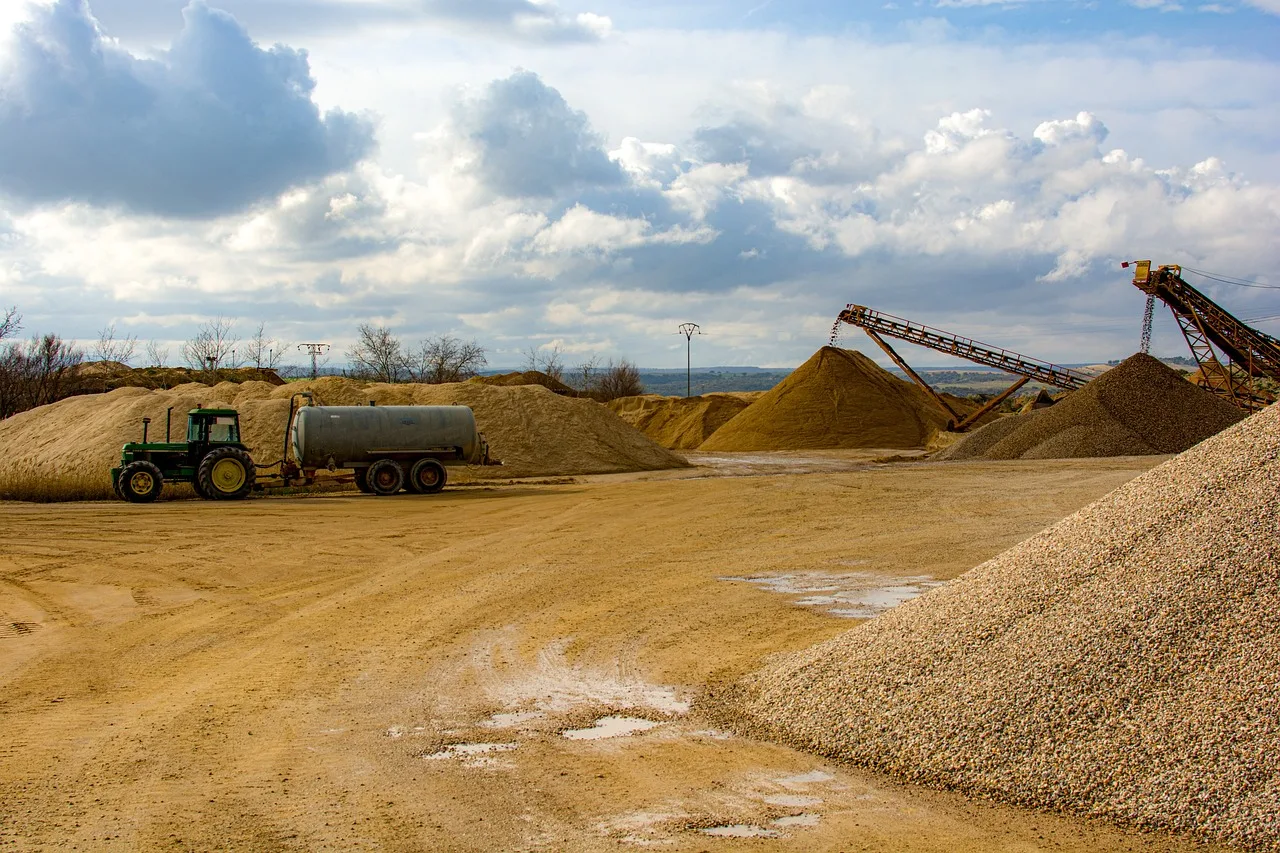
— Sand (песок) — mortar, concrete, backfill, leveling. Check gradation and cleanliness (no clay).
— Crushed stone / gravel (щебень) — concrete mix, base layers, drainage. Choose fraction by use (e.g., 5–20 mm for concrete).
— Ready-mix concrete (бетон) — foundation slabs, footings, structural elements. Delivered by mixer trucks from бетонный завод.
— Cement (цемент) — Portland and blended cements for concrete and mortars. Often sold in bags or bulk silo trucks.
— Bricks and blockwork (кирпич, блоки) — clay bricks, foam concrete (пеноблок), aerated concrete (газобетон) for walls.
— Rebar and metal profiles (арматура, профиль) — structural reinforcement and metal framing.
— Timber and lumber (пиломатериалы) — framing, formwork, roof structures. Pay attention to moisture content.
— Insulation (минеральная вата, ППС) — thermal and acoustic insulation.
— Roofing materials (металлочерепица, рулонные покрытия) — large panels often transported on pallets.
— Dry mixes and mortars (сухие смеси) — plaster, tile adhesive, floor screed — sold in bulk bags or big-bags.
— Fasteners and accessories — bulk screws, anchors, ties.
Local considerations (Vladimir region)
— Climate: cold winters and seasonal freeze-thaw cycles. Plan for winter concreting, frost protection and extended curing times.
— Transport: Vladimir is connected by major roads (M7) and has local suppliers and concrete plants — factor in truck accessibility, site approach and weight limits.
— Seasonality: demand and prices can rise in spring–summer; consider ordering off-season or locking prices early.
Quality and regulatory checks
— Ask for GOST or ТУ conformity documents and certificates of conformity (Сертификат соответствия) where relevant.
— For aggregates: check granulometry (фракция), presence of fines, and contamination (clay, organics).
— For cement: check brand, production date and storage conditions. Avoid damp or lumpy bags.
— For concrete: ensure mix class (B/M grade), slump, additives suitable for winter if needed.
— For timber: request moisture content and treatment certificates for structural use.
Logistics & delivery modes
— Aggregates: delivered by dump trucks (КамАЗ, самосвал). Typical unloading by tipping.
— Ready-mix concrete: delivered by mixer trucks (автобетоносмеситель). Coordinate pour windows and access.
— Cement in bulk: silo trucks or bagged pallets. Bulk silos preferred for large projects.
— Blocks, bricks, roofing: palletized on flatbeds; need forklift or crane for unloading.
— Reinforcement: typically delivered on flatbeds and requires site storage and handling equipment.
Ordering & quantity tips
— Calculate volumes in cubic meters for aggregates and concrete; convert to tonnes using local density if needed. Allow 5–10% extra for waste and compaction.
— Cement: order extra for wastage and contingencies (and consider bag vs silo supply).
— Ready-mix: schedule sequential batches and a reliable concrete plant; confirm truck availability and travel time.
— Negotiate bulk discounts and delivery windows; ask about minimum order thresholds.
Storage and on-site handling
— Store cement dry and off the ground on pallets under cover; bagged cement shelf-life is limited if exposed to humidity.
— Keep aggregates covered to avoid freezing/contamination and separate different fractions.
— Stack bricks and blocks on pallets and protect from moisture.
— Timber should be stacked on bearers, sheltered from rain and raised from the ground.
— Secure a clean, leveled unloading area and safe access for trucks and cranes.
Winter / cold-weather specifics
— Use heated concrete mixes, antifreeze additives or insulated formwork when pouring below +5°C.
— Protect curing concrete with thermal blankets or enclosures.
— Schedule deliveries to avoid freeze/thaw damage to aggregates and mortar mixes.
Cost factors and negotiation levers
— Price drivers: fuel and transport distance, seasonal demand, raw-material availability (quarry output), and exchange rates for imported items.
— Ways to reduce cost: consolidate orders, use nearby quarries/plants, accept mixed‑fraction deliveries if suitable, buy off-season, or establish long-term contracts.
Environmental and disposal notes
— Ensure supplier compliance with quarrying and waste regulations; request documentation if needed.
— Plan disposal or reuse of surplus materials (backfill, leveling) rather than mixed waste.
Quick checklist before placing a bulk order
— Confirm exact volumes and unit measures (m3, tons, bags).
— Request certificates and sample test results (if critical).
— Verify delivery vehicle type, site access and unloading equipment.
— Agree delivery date/time, lead time and penalties for delays.
— Confirm payment terms, VAT handling and invoicing details.
— Check storage plan on-site to protect materials from weather.
Finding suppliers in Vladimir
— Use local construction markets, бетонные заводы (