Bulk Building Materials in Vladimir, Russia — Practical Guide for Buyers and Builders
Bulk Building Materials in Vladimir, Russia — Practical Guide for Buyers and Builders
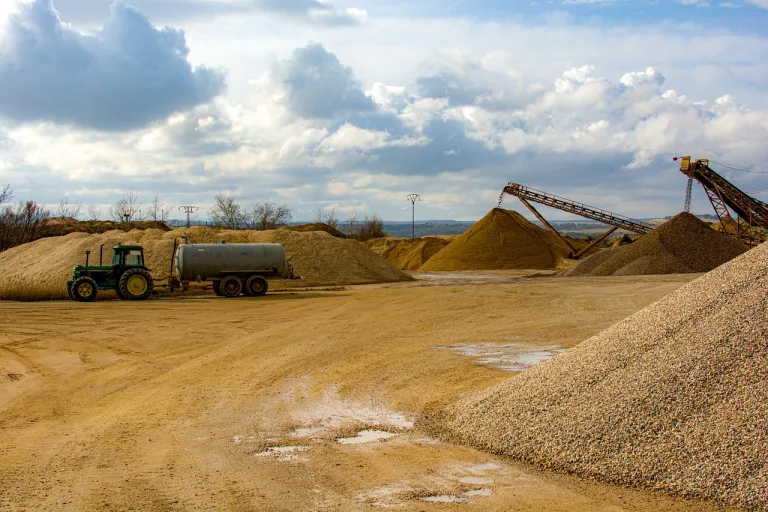
Vladimir and the surrounding Vladimir Oblast are active construction markets with steady demand for bulk building materials — sand, crushed stone, cement (bulk), lime, fly ash and recycled aggregates. The city’s location on the M7 highway and established rail links makes logistics convenient for truck and rail deliveries. This guide helps project managers, contractors and procurement teams buy smarter, lower risk and save on deliveries.
Common bulk materials and typical uses
— Sand — masonry, concrete mixes, bedding and backfilling. Pay attention to grain size and cleanliness.
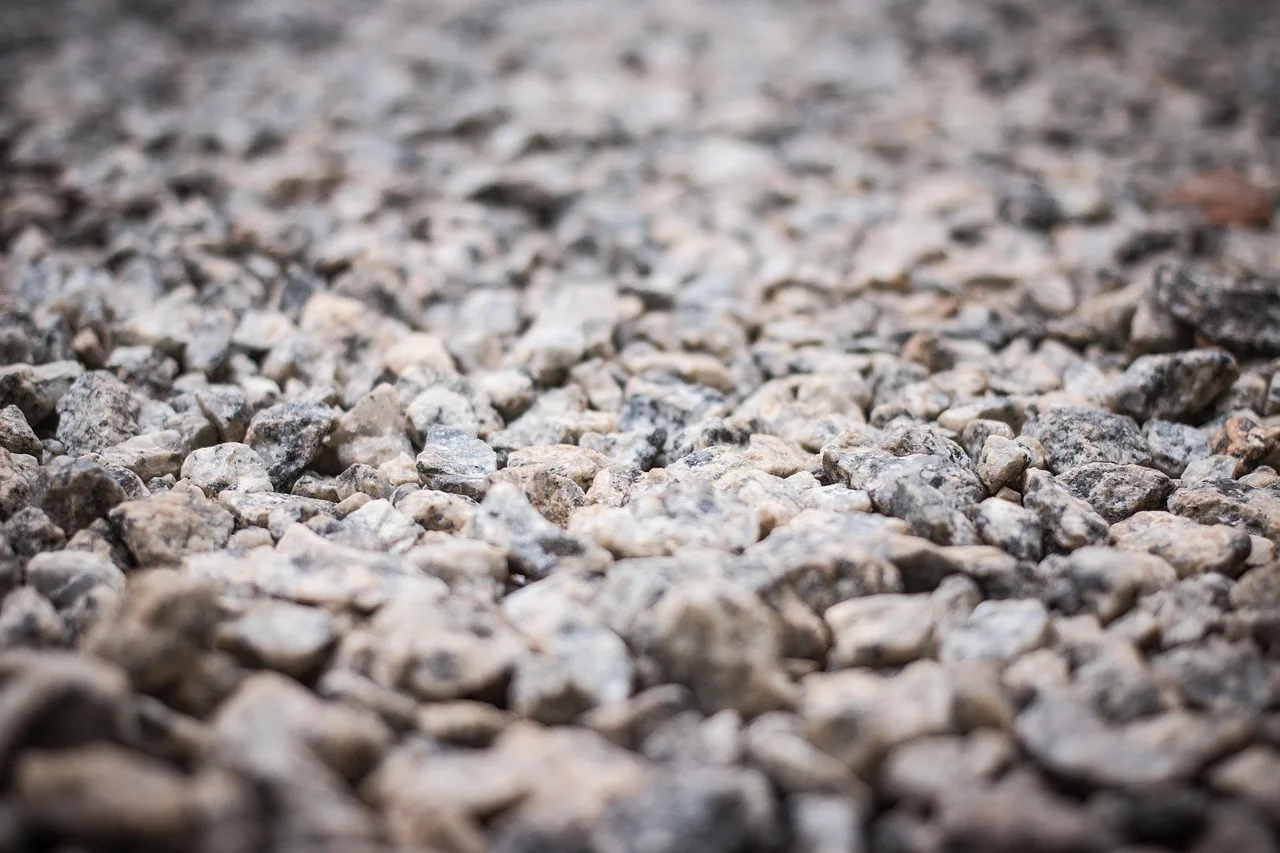
— Crushed stone / gravel — base layers, concrete aggregate, drainage. Grain fraction matters (5–20 mm, 20–40 mm, etc.).
— Bulk cement — delivered in silo trucks or bags for larger sites; expect strict moisture control.
— Lime and gypsum — soil stabilization, mortars and plasters.
— Fly ash, slag, recycled concrete aggregate — supplementary cementitious materials or fill (sustainable option).
— Topsoil, fill and screenings — landscaping and site grading.
How to choose a supplier
— Ask for quality documentation: *паспорт качества*, certificate of conformity (GOST compliance), and delivery waybills (товарно‑транспортная накладная).
— Request recent test certificates or particle-size analysis (for sand/gravel) and moisture content (for sands, recycled aggregates).
— Check logistics capacity: modern fleet, tipping/dump trucks, silo trucks for cement, and availability of loading equipment.
— Verify extraction/processing permits and environmental compliance if buying directly from quarries.
— Compare payment terms, minimal order quantities, and whether unloading is included.
— Prefer suppliers with references from local projects or repeat-contract history.
Logistics: getting materials to site in Vladimir
— Road transport is the dominant method — the M7 corridor gives direct access to Moscow and eastward regions. Typical delivery vehicles: 20–40 t dump trucks, semi‑trailers and silo trucks.
— Rail delivery is cost-effective for very large volumes; check for transloading availability close to your site.
— Plan unloading: ensure site has access for large trucks, stable ground, and certified weighbridges to confirm delivered tonnage.
— Schedule deliveries to avoid peak traffic and local snow/ice restrictions in winter.
Storage and handling best practices
— Sand/gravel: keep piles compact and separated by material to avoid cross-contamination; cover with tarpaulins in wet weather to limit freezing/moisture.
— Cement: store in silos or sealed bags on pallets off the ground and under shelter; use FIFO to avoid aging and caking. Monitor humidity.
— Fly ash and fine powders: store under cover and control dust with wrapping or spraying systems.
— Recycled aggregates: screen and, if necessary, wash to meet specification before use.
— Prevent material segregation during stockpiling and ensure safe slopes for piles.
Pricing drivers and how to save
— Distance from supplier (transport cost is often the largest variable).
— Volume — larger orders typically attract bulk discounts.
— Seasonality — winter conditions may raise transport and handling costs.
— Moisture content — wet loads weigh more; ask for dry metric tons or adjust prices by moisture factor.
— Grain fraction and processing required (washed, screened, graded).
— Negotiate bundled contracts (supply + delivery + unloading) and multi‑month agreements for stable pricing.
Quality control and regulatory checks
— Insist on materials that meet relevant GOST or technical standards; request the *паспорт качества* and, for critical structural concrete, laboratory test results.
— For on‑site acceptance create a simple protocol: visual check, sampling, and paperwork (invoice + TTN). Keep samples for dispute resolution.
— Confirm supplier has legal permits for extraction and processing (important for quarries and recycled-material plants).
Environmental and sustainability options
— Consider recycled concrete aggregate (RCA) and reclaimed asphalt pavement (RAP) to reduce costs and environmental impact.
— Fly ash and slag can partially replace Portland cement, lowering CO2 footprint — verify compatibility with mix designs.
— Choose suppliers with dust control and site‑restoration policies.
Practical checklist before ordering
— Define required material specification: fraction, cleanliness, moisture limits, and delivery tolerance.
— Ask supplier for: price per tonne, minimum order, delivery lead time, documentation (паспорт качества, TTN), and payment terms.
— Confirm transport type and who is responsible for unloading.
— Agree on acceptance protocol: how tonnage is measured, how quality disputes will be resolved.
— Plan storage on site (covered area, silos, separation distances).
— Include contingency: buffer stock quantity and alternate