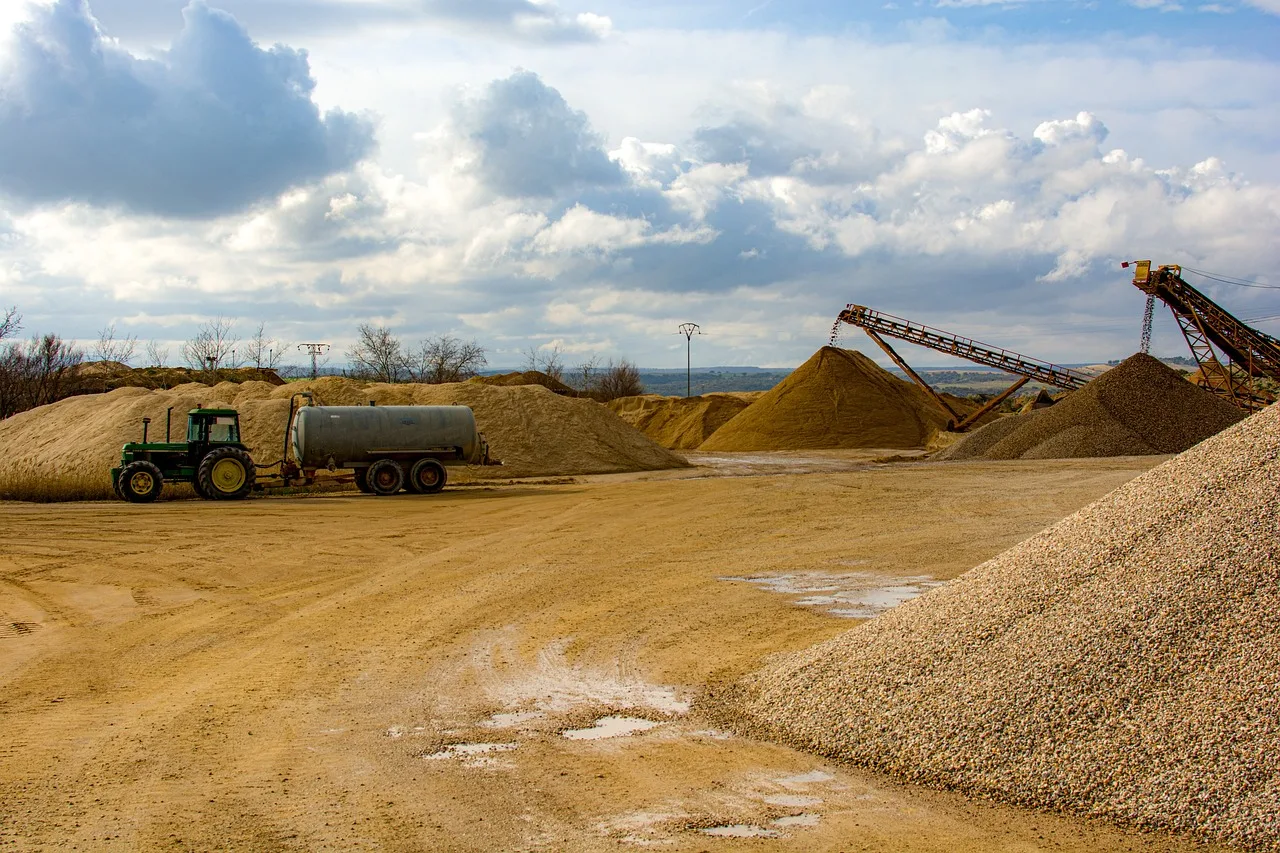
Bulk Building Materials in Vladimir — Where to Buy, How to Save, and How to Deliver
Bulk Building Materials in Vladimir, Russia: A Practical Guide
Whether you’re building a house, renovating an apartment block, or managing a municipal project in Vladimir, sourcing bulk building materials correctly will save time, money, and headaches. This guide covers what to buy in bulk, where to look locally, how to organise delivery and storage, and practical tips to lower costs and risks.
What counts as «bulk building materials»
Common bulk items you’ll order by cubic meters, tonnes, or pallets:
— Aggregates: sand, gravel, crushed stone
— Cement (bulk bags or silo delivery)
— Ready-mix concrete
— Bricks and concrete blocks (pallet loads)
— Rebar and steel profiles (rolls or bundles)
— Timber (stacked bundles)
— Insulation (large bales or rolls)
— Dry mixes and bulk adhesives (big bags)
— Topsoil, crushed asphalt, reclaimed materials
Where to source materials in Vladimir
— Local quarries and aggregate suppliers (look for nearby pits to cut transport costs)
— Concrete plants and ready-mix suppliers — ask about truck-mix and volumetric options
— Building material bases and distributors in Vladimir city and Vladimir Oblast
— Timber yards and metal stockists for structural components
— Reclaimed material yards and recycling centres for lower-cost aggregates
Tip: search local directories and maps for «песок карьер», «бетонный завод», «склад стройматериалов Владимир». Always request certificates and delivery options before committing.
Estimating quantities — quick practical steps
1. Measure the area and required thickness to calculate volume (m³ = area × thickness).
2. Add a contingency for waste/compaction:
— 5–10% for concrete and cement-based work
— 10–15% for sand and aggregates (more if loose handling or screening)
3. For pallets (bricks, blocks), count pieces per m² from supplier data and order an extra 5–10% for cuts and breakage.
4. When in doubt, ask suppliers for their standard calculation sheets or use an online construction calculator.
Delivery and logistics — what to plan
— Truck types common in Russia:
— Tipper trucks (КамАЗ) for aggregates
— Concrete mixers for ready-mix concrete
— Silo trucks for bulk cement
— Flatbeds/cranes for pallets and steel
— Arrange site access: turning radius, load-bearing capacity, and unloading space.
— Provide unloading equipment if necessary (crane, forklift) or agree to carrier-assisted unloading.
— Check for permissions if oversized or heavy loads require special routing or escorts.
— For large, regular volumes, negotiate scheduled deliveries to avoid storage overflow.
Storage and handling on site
— Protect cement and dry mixes from moisture — store on pallets under a waterproof cover, ideally in a dry shed.
— Keep aggregates on a compacted base and cover with tarpaulins to prevent contamination and freezing in winter.
— Stack bricks/blocks on level pallets, off the ground.
— Keep timber elevated and ventilated to prevent warping and fungal attack.
— For cold months: plan heating or store temperature-sensitive materials indoors to maintain workability (insulation, adhesives, some sealants).
Quality, standards and checks
— Request certificates of conformity and material passports (сертификат соответствия, паспорт качества).
— Check for GOST or relevant technical standards on cement, steel, and aggregates.
— For aggregates: ask for gradation (фракция), dust content, and frost resistance if relevant.
— For cement: request grade (e.g., M400, M500) and storage advice.
— Consider on-site sampling for high-value purchases (third-party lab testing for critical projects).
Seasonal considerations specific to Vladimir Oblast
— Winter deliveries: frozen ground and frozen aggregates can complicate unloading — schedule earlier in the day and use heated storage when needed.
— Spring thaw: temporary roads and access routes can become muddy — arrange higher-capacity vehicles or temporary matting.
— Summer dust control: keep aggregates damp or covered to minimize dust complaints and losses.
Cost-saving strategies
— Buy in bulk to reduce per-unit cost, but balance with safe on-site storage costs.
— Group purchases with neighbouring builders or contractors to share transport and get volume discounts.
— Negotiate transport terms: sometimes supplier delivery is cheaper than hiring a carrier.
— Use locally quarried aggregates to cut freight bills.
— Consider recycled aggregates and reclaimed materials where appropriate — they can reduce cost and environmental impact.
— Lock in prices with suppliers for longer projects to avoid inflation spikes.
Sustainability and waste management
— Ask suppliers for recycled aggregate options and certified timber (FSC/PEFC).
— Plan for on-site waste segregation — reuse crushed concrete for backfill where allowed.
— Arrange licensed removal for hazardous waste and follow local regulations.
Quick sample inquiry (Russian and English)
Russian:
Здравствуйте. Нужны цены и условия поставки для:
— Песок мытый/не мытый — ___ м³
— Щебень 20–40 мм — ___ м³
— Цемент М500 — ___ пачек/сила (или силос)
— Блоки (размер, марка) — ___ шт / паллет
Условия доставки во Владимир (ул. _____), сроки, стоимость разгрузки и наличие сертификатов (ГОСТ/паспорт качества). Спасибо.
English:
Hello. Please provide prices and delivery terms for:
— Sand (washed/unwashed) — ___ m³
— Crushed stone 20–40 mm — ___ m³
— Cement M500 — ___ bags / silo
— Blocks (size) — ___ pcs / pallets
Delivery address: Vladimir, [street], unloading requirements, lead time, delivery cost, and please attach certificates (GOST/quality passport). Thank you.
Final checklist before ordering
— Confirm exact volumes and add contingency
— Request and verify certificates
— Agree delivery window, vehicle type, and unloading method
— Confirm storage plan on site and protective measures
— Get written delivery and payment terms (lead time, penalties for delays)
— Keep contact details of supplier logistics manager
If