Bulk Building Materials in Vladimir, Russia: A Practical Guide for Builders and Developers
Bulk Building Materials in Vladimir, Russia: A Practical Guide
Whether you’re building a private house, laying a road or running a medium-scale construction site in Vladimir Oblast, sourcing the right bulk building materials reliably and cost-effectively is essential. This guide covers the common materials, how to choose suppliers in Vladimir, delivery and storage tips, quality checks (GOST/TU), cost-saving strategies, and a practical ordering checklist.
Quick overview: What “bulk building materials” covers
— Sand (river, quarry, screened)
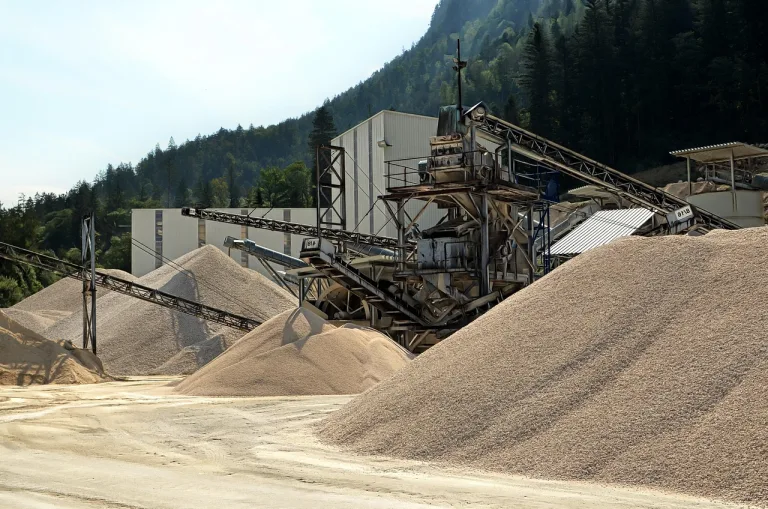
— Crushed stone / gravel (various fractions)
— Screenings and rubble
— Topsoil and fill (black soil)
— Cement and lime (in bulk deliveries or silo)
— Aggregates for concrete and asphalt
— Fly ash, slag, and other industrial by-products (where used)
Why local sourcing in Vladimir matters
— Lower transport costs and faster delivery from regional quarries and suppliers
— Quicker access to test certificates and material samples
— Better knowledge of local construction conditions (frost, clay content, water table)
Choosing a reliable supplier in Vladimir
Look for:
— Valid quality certificates (GOST, TU) and material passports
— Experience delivering to sites across Vladimir Oblast
— Clear pricing (price per m³ and per tonne, delivery costs)
— A modern vehicle fleet and flexibility with truck types
— Positive references or case studies from local projects
Questions to ask suppliers:
— Can you provide recent particle-size analysis and moisture content?
— What are your typical delivery lead times and minimum order volumes?
— Which vehicle types do you use (e.g., KamAZ 10–20 t dump trucks)?
— Do you issue delivery notes and quality certificates?
Understanding units and conversions
— Sand density (approx.): 1.4–1.7 t/m³
— Crushed stone density (approx.): 1.4–1.8 t/m³
— Always confirm supplier-specific densities and moisture content — invoices and trucks are often calculated by tonnes or cubic metres.
Delivery & transport considerations
— Choose truck types that can access your site (dump truck, low-loader, tipper). Confirm turning radius and on-site unloading space.
— For long-term projects, negotiate scheduled deliveries to match pouring or paving work.
— Know local road weight limits and seasonal restrictions (spring thaw, rasputitsa) — plan heavier loads outside critical periods.
— Factor in return-load options (some suppliers reduce price if truck isn’t returned empty).
Storage and handling on site
— Store aggregates on level, drained areas on impermeable pads where possible.
— Keep different fractions separated to avoid contamination (use wooden sleepers, geotextile or concrete separators).
— Cover materials during long storage to limit moisture changes and contamination.
— Cement should be stored in a dry, ventilated place or delivered into a silo for large projects.
Quality & standards (GOST/TU)
— All materials should meet relevant GOST/TU standards. Ask for material passports and lab test results.
— For sand and aggregates, check grain-size distribution, fines content, and clay lumps.
— For cement, verify brand, strength class, and shelf life.
— If using industrial by-products (ash, slag), check suitability for structural use and environmental compliance.
Environmental and safety aspects
— Verify supplier’s environmental permits for quarrying and transportation.
— Dust control during unloading is important — request covered trucks or water suppression if needed.
— Ensure safe unloading practices to protect site personnel and equipment.
Cost-control and optimization tips
— Buy in bulk and schedule deliveries to reduce per-tonne transport costs.
— Mix aggregates on-site versus delivering pre-mixed concrete — calculate which is cheaper for your volumes.
— Reuse excavated material where suitable (after testing) to cut fill costs.
— Request multiple quotes and compare delivered price per m³ (or tonne), not just quarry price.
Practical ordering checklist
— Exact material type and fraction (e.g., 5–20 mm crushed stone)
— Quantity (m³ and estimated tonnes) + 5–10% contingency
— Required delivery dates/time windows
— Site access details and unloading instructions
— Required documentation: waybill, quality certificate, delivery ticket
— Agreed price per unit, transport cost, payment terms
Common mistakes to avoid
— Underestimating moisture content (especially for sand) leading to short supply by weight
— Mixing different fractions without testing — can weaken concrete or base layers
— Failing to confirm vehicle access and delays due to unsuitable roads
— Ignoring test certificates — poor material causes rework and delays
Frequently asked questions
— Should I order by tonne or by cubic metre?
Order by the unit your project design uses; always confirm supplier’s conversion rates and moisture assumptions.
— How much extra should I order?
Common practice: 5–10% extra for cut-and-fill uncertainty, compaction losses and waste.
— Are there seasonal price changes?
Yes. Demand, road conditions, and fuel prices can affect delivery costs — plan ahead for peak seasons.
Final recommendations
— Prioritize verified quality (GOST/TU certificates) and reliable delivery over the lowest initial price.
— Build relationships with 2–3 local suppliers in Vladimir to ensure supply continuity.
— For large or long-term projects, negotiate supply contracts with fixed delivery windows and quality guarantees.
If you’d like, I can:
— Draft an email template to request quotes from suppliers in Vladimir
— Create a materials order spreadsheet (quantities, unit prices, delivery schedule)
— Suggest questions for on-site material acceptance and testing
Which of these would help you next?