Bulk Building Materials in Vladimir, Russia: A Practical Guide for Builders and Contractors
Bulk Building Materials in Vladimir, Russia: A Practical Guide for Builders and Contractors
Whether you are managing a private build, renovating an apartment block or supplying a municipal project in Vladimir, buying bulk building materials efficiently will save time and money. This guide covers the main materials, sourcing and logistics options in Vladimir, storage and handling best practices — plus practical tips tailored to the local climate and infrastructure.
Why Vladimir is a good base for bulk supplies
— Vladimir sits on the M-7 (Moscow–Nizhny Novgorod) corridor and has well-developed rail links, making road and rail delivery straightforward for heavy loads.
— A regional construction market with local quarries and production of bricks, concrete blocks and timber reduces transit costs for many materials.
— Short supply lines to Moscow and the Volga region mean competitive pricing for aggregates and cement.
Main bulk materials and common uses
— Cement (bagged 25/50 kg or loose in silo deliveries) — foundations, concrete, mortar.
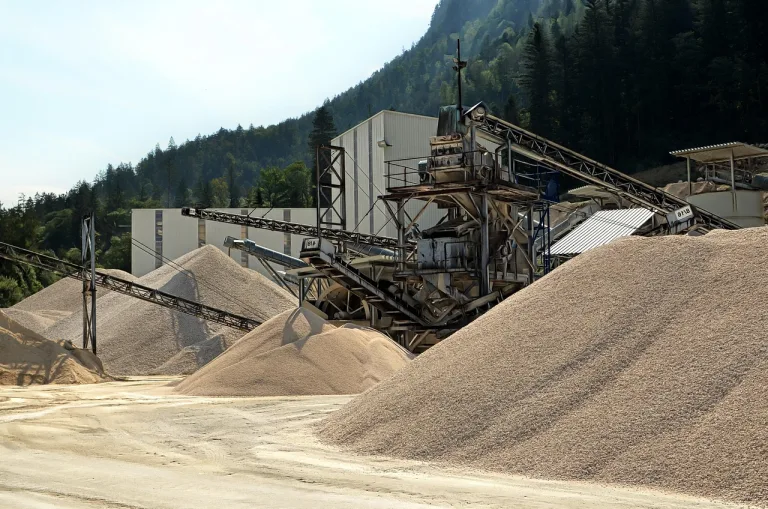
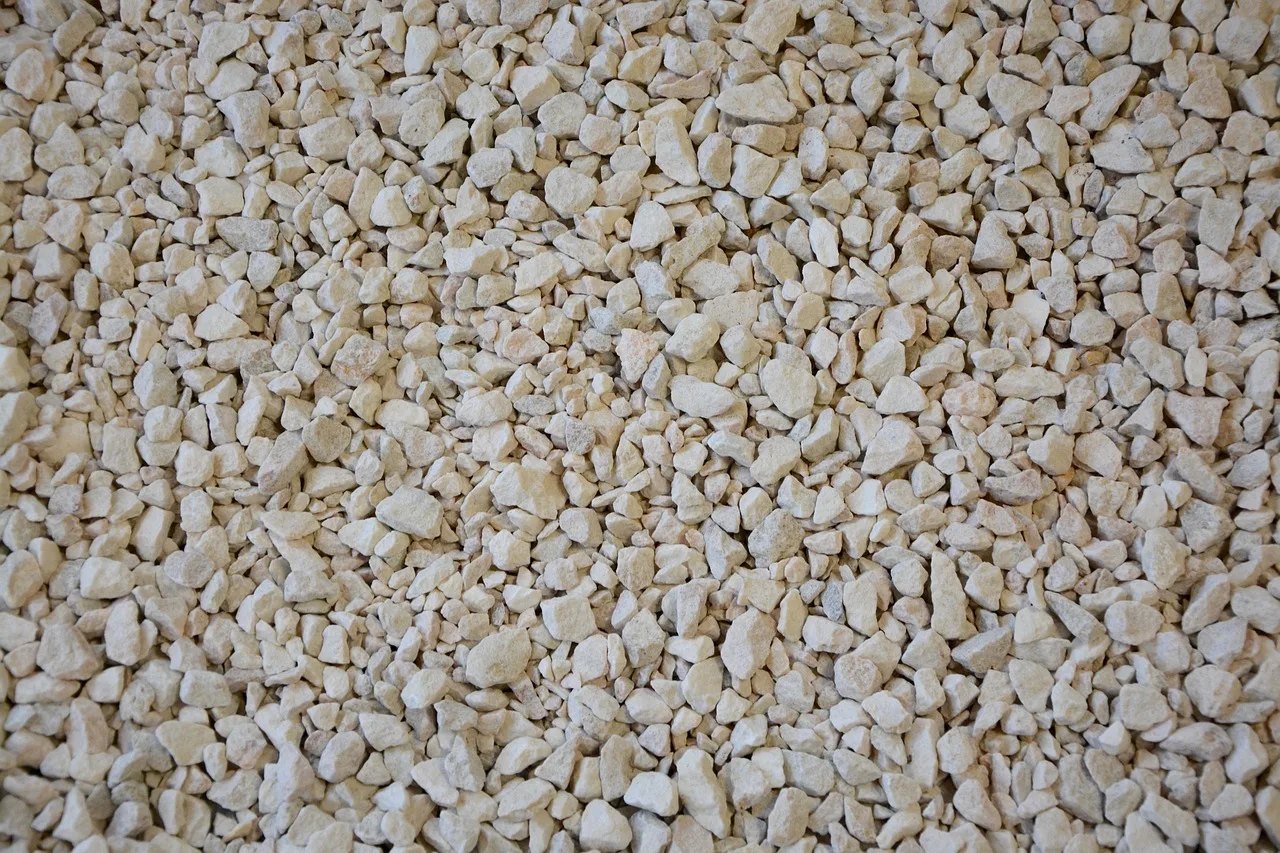
— Aggregates (sand, crushed stone, gravel) — concrete mixes, base layers, drainage.
— Bricks and blocks (clay bricks, газоблок/aerated concrete) — walls and partitions.
— Reinforcement steel (rebar, mesh) — structural concrete reinforcement.
— Timber (structural beams, boards, decking) — framing, roofing, finishing.
— Roofing materials (metal sheets, tiles, roll roofing) — roofs and facades.
— Dry mixes and plaster (bagged) — finishing, screeds.
— Insulation (mineral wool, EPS/XPS) — thermal and acoustic insulation.
— Bulk paints, adhesives, mastics — finishing and sealing.
Choosing suppliers in Vladimir
— Verify certificates: ask for GOST or ТУ, quality certificates and product passports. For cement and aggregates insist on laboratory test reports.
— Check delivery capabilities: truck fleet (dump trucks, tipper / silo trucks), rail siding access, loading/unloading equipment.
— Ask about minimum order quantities, lead times and payment terms; many wholesalers will negotiate for regular or large contracts.
— Read local reviews, request references from nearby projects, and visit supplier sites if possible to inspect stock and stockpile conditions.
Logistics & delivery practicalities
— Road: M-7 provides fast access; expect standard heavy truck deliveries across the region. For narrow urban streets in Vladimir plan smaller trucks or split deliveries.
— Rail: useful for very large volumes (rebars, bulk cement, aggregates) — check for rail siding availability and handling at destination.
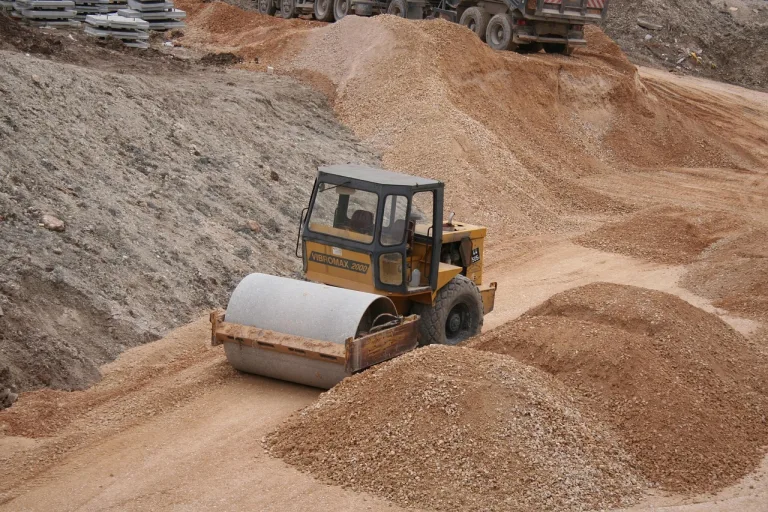
— Unloading: ensure site has space for tippers or cranes, and a firm working surface; coordinate timing to avoid fines for blocking roads.
— Weighing and documentation: insist on proper waybills (товарно-транспортная накладная), certificates of quality and weight tickets when receiving bulk loads.
Storage & handling — by material
— Cement
— Keep sealed, off the ground on pallets, under a waterproof cover or in a dry storage room.
— Store indoors where possible; maximum recommended storage time is limited (quality can decline in humid conditions).
— Aggregates (sand, crushed stone)
— Separate piles by type; use covers to reduce contamination and runoff.
— Protect from freezing where possible — frozen aggregates can affect concrete work.
— Bricks & blocks
— Stack on level, drained ground; cover with tarpaulin but allow airflow to avoid moisture build-up.
— Reinforcement steel
— Store on supports to avoid contact with soil, inspect for rust, keep off standing water.
— Timber
— Stack elevated with spacers for airflow; protect ends from moisture and sun; consider kiln-dried timber for interiors.
— Insulation and dry mixes
— Keep dry and sealed; store palletized bags indoors or under airtight covers.
— Paints and adhesives
— Store frost-free (many products degrade in sub-zero temperatures); rotate stock by expiry.
Seasonal and technical considerations in Vladimir
— Winter concreting: plan for anti-freeze admixtures, heated curing or temporary enclosures. Concrete strength development slows in cold.
— Frost heave and soil conditions: consult geotechnical data — Vladimir soils can be seasonally wet; drainage and correct foundation depth are essential.
— Delivery timing: order heavy materials during non-peak hours when possible; avoid delivery during spring thaw (rasputitsa) when some local roads can become soft.
— Environmental rules: control dust from aggregates, manage stormwater runoff, and dispose of packaging/industrial waste according to regional regulations.
Cost-saving strategies
— Consolidate orders: larger, less frequent deliveries reduce transport cost per unit.
— Use local quarries and manufacturers for aggregates and bricks to cut freight.
— Negotiate long-term terms: fixed pricing, deferred payment for larger projects, or volume discounts.
— Consider in-silo cement or bulk delivery for very large projects to lower bag handling and packaging costs.
— Reuse pallets and take back reusable packaging where supplier offers returns.
Quality control checklist before acceptance
— Match delivery to order: material type, grade, and quantity.
— Obtain and file certificates of conformity, weight tickets and waybills.
— Perform on-site checks: visual inspection, moisture content for aggregates, sample testing for cement and concrete if required.
— Document any discrepancies immediately and photograph any visible damage or contamination.
Quick procurement checklist for Vladimir projects
— Define material specifications (GOST/TU grade).
— Confirm minimum order and lead time with supplier.
— Arrange delivery logistics (truck size, access, unloading equipment).
— Prepare on-site storage and protect against weather.
— Obtain and file quality and weight documents on reception.
— Plan for seasonal constraints (winter concreting, thawing roads).
Final tips
— Prioritize suppliers who understand local conditions and