Buying Bulk Building Materials in Vladimir, Russia: Practical Guide for Contractors and DIYers
Buying Bulk Building Materials in Vladimir, Russia: Practical Guide for Contractors and DIYers
Whether you’re building a house in Vladimir or supplying a construction site across Vladimir Oblast, buying bulk building materials efficiently saves time and money. This guide covers what to buy in bulk, how to calculate quantities, logistics around Vladimir, quality and certification to check, and smart negotiating and storage tips.
Common bulk materials and uses
— Sand (песок) — foundation backfill, mortar, concrete mixes, bedding for pipes.
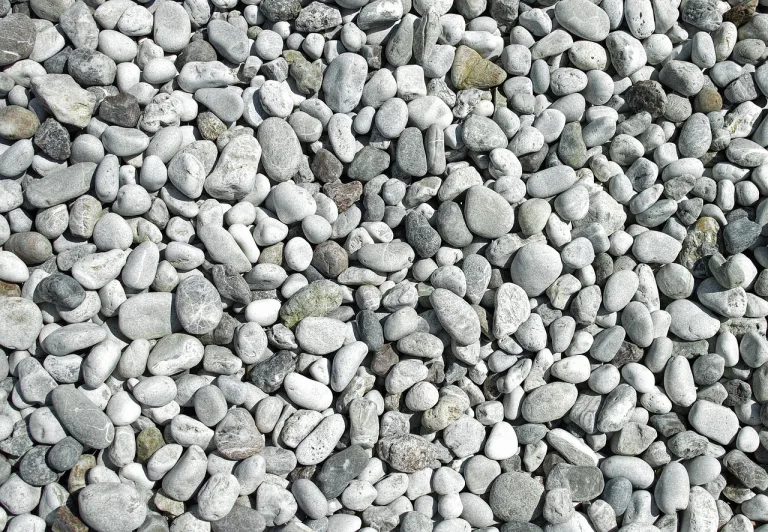
— Crushed stone / gravel (щебень / гравий) — concrete aggregate, road base, drainage.
— Sand–gravel mix (ПГС) — economical base layer and general backfill.
— Crushed slag (шлаковая щебёнка) — cheaper alternative for non-structural uses.
— Topsoil and fill dirt — landscaping and leveling.
— Lime, hydrated lime in bulk — soil stabilization, some mortars.
— Bulk cement in silos — for larger projects (note: usually handled via concrete plants).
Note: Cement and some mortars are commonly sold bagged for small buyers; bulk delivery by silo is typical for large, continuous concrete operations.
Where to source materials in Vladimir
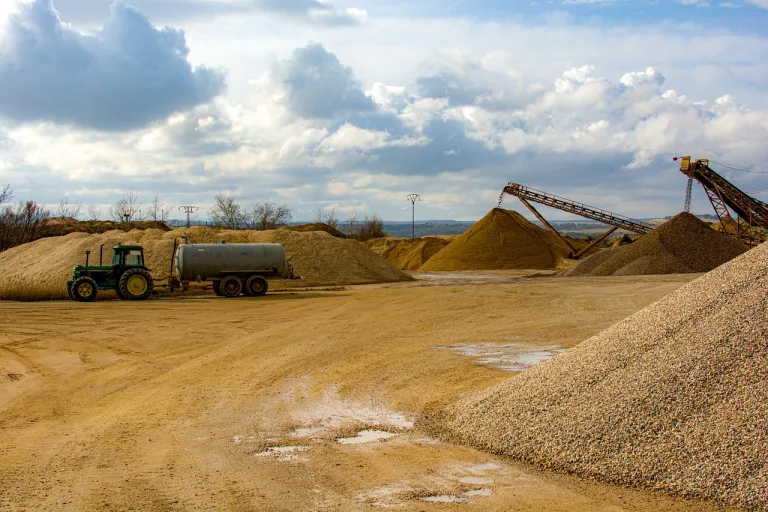
— Local quarries and gravel pits in Vladimir Oblast — often the most economical for heavy materials.
— Building materials depots and yards in the city of Vladimir.
— Ready-mix concrete plants (for aggregates or ready concrete).
— Aggregates marketplaces and aggregators (Yandex, 2GIS, local classifieds).
— Suppliers along the M7 corridor (easy access to/from Moscow and Nizhny Novgorod) — useful if sourcing from outside the oblast.
Practical search steps:
— Check 2GIS/Yandex Maps for “щебень”, “песок”, “песчаный карьер” near Владимир.
— Ask local construction contractors or hardware stores for recommended suppliers.
— Request recent delivery photos and references for unfamiliar suppliers.
Delivery & logistics around Vladimir
— Typical truck capacities:
— Small dump truck: ~5–8 m3
— Standard KamAZ-style dump: ~10–15 m3
— Large semi-trailer / tipper: ~20–25 m3
— Verify access on your site: turning radius, weight limits on local roads, overhead clearances.
— Delivery options: loose dump-off, crane/side-discharge, silo unloading (for bulk cement).
— Consider seasonality: spring thaw (распутица) may restrict heavy trucks on rural roads; winter can cause delays if roads are icy.
— Distance: Vladimir is roughly 180–220 km from Moscow along the M7 — sourcing from Moscow-area suppliers is possible but factor in transport cost.
Quantity calculations, conversions and order tips
— Order in cubic meters (m3) for aggregates; confirm whether supplier quotes are in m3 or tons.
— Typical bulk densities (approximate — always confirm with supplier):
— Dry sand: 1.4–1.7 t/m3
— Gravel / crushed stone: 1.4–1.7 t/m3
— Sand–gravel mix (ПГС): 1.5–1.7 t/m3
— Allow a waste/swell margin:
— Loose fill/backfill: +5–10%
— For excavation backfill or compacted fills: +10–20% depending on compaction
— For concrete mixes: order recommended volume plus 5–10% for spillage and variation
— Example: If you need 10 m3 compacted sand, order ~11–12 m3 to allow for settlement and compaction losses.
— Consolidate orders where possible to reduce per-ton transport costs.
Quality, documentation and certification
— Ask for GOST or TU certificates for aggregates and materials (ГОСТ — state standard).
— Request lab test results for particle-size distribution (gradation) and fines content if using aggregates for concrete.
— For cement and lime: check production date, storage conditions, and batch certificates.
— For large purchases, request delivery accompanying documents (товарная накладная) and invoice (счет-фактура / счет на оплату).
Storage and on-site handling
— Keep aggregates on a flat, compacted base and separated by material type to avoid contamination.
— Cover sand and cement from rain and snow—moisture degrades quality (cement hardens when wet).
— Stack stable piles, allow safe access for unloading, and avoid storing heavy trucks on soft ground during thaw.
— If storing on public land or near roads, check local rules and obtain permits if needed.
Environmental and regulatory considerations
— Ensure supplier sources materials legally — ask for quarry permits and reclamation plans.
— Comply with local rules regarding dust suppression, runoff, and noise during deliveries (local municipalities may impose requirements).
— Large stockpiles may require notification to local authorities — check with the Vladimir city administration or district office.
How to choose a supplier — questions to ask
— Can you provide current GOST/TU certificates and material gradation reports?
— What are delivery lead times and truck types available?
— Do you charge for loading/unloading or site waiting time?
— What is your minimum order and bulk price breaks?
— Do you offer a sample or small trial delivery?
— What payment terms and VAT/invoice handling do you provide?
Cost-saving tips
— Consolidate orders to reduce per-ton transport costs.
— Buy direct from quarries when possible to eliminate middlemen markups.
— Compare delivery pricing by truck type and distance — sometimes slightly more per-ton material but cheaper transport is preferable.
— Time deliveries