Bulk Building Materials in Vladimir, Russia: A Practical Guide for Buyers and Contractors
Overview
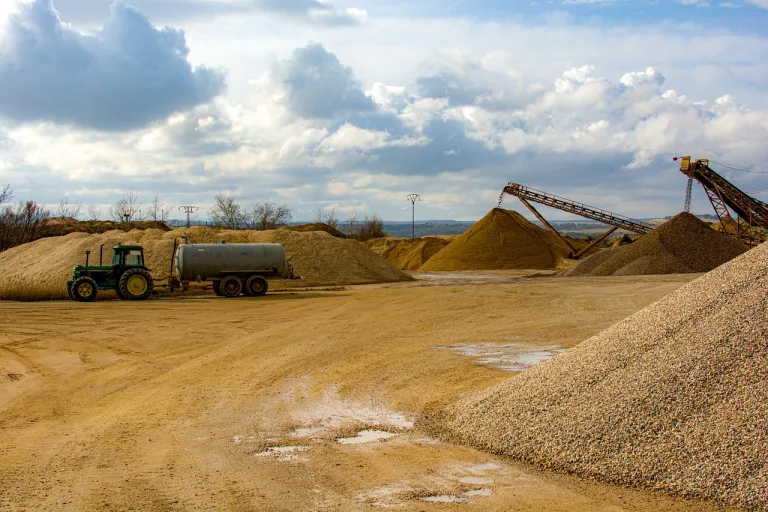
Vladimir and the wider Vladimir Oblast remain active construction markets—residential, industrial, and infrastructure projects all depend on reliable supplies of bulk building materials. This guide covers the main material types, ordering and delivery logistics, quality checks (including relevant Russian standards), storage, seasonal considerations, and practical tips to ensure smooth procurement and use.
Main bulk materials
— Sand (песок)
— Types: river sand, quarry sand, coarse/fine fractions, washed vs. unwashed
— Typical use: concrete, mortar, bedding, backfill
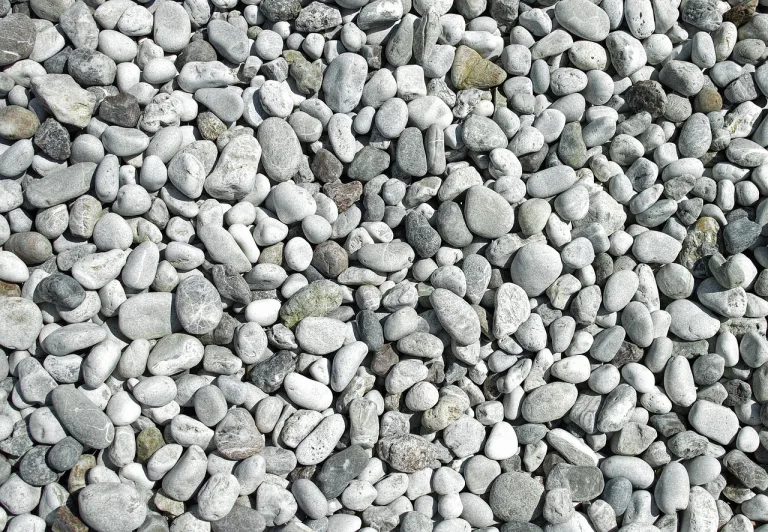
— Crushed stone / gravel (щебень / гравий)
— Common fractions: 5–20 mm, 20–40 mm, 40–70 mm
— Use: concrete aggregates, base layers, drainage
— Screenings and ballast (отсев, балласт)
— Use: leveling layers, intermediate bases
— Soil and fill (грунт)
— Types: topsoil, inert fill, compactable fill
— Cement in bulk or bags (цемент)
— Delivery: silo trucks for bulk, 25–50 kg bags for small volumes
— Lime, gypsum, fly ash, and other mineral additives
— Use: soil stabilization, cement replacement, mortar mixes
— Asphalt mix (асфальтобетон) — for road projects, usually ordered from asphalt plants
Local logistics and transport
— Major transport routes: M7 highway (to Moscow), rail connections—Vladimir region benefits from good road and rail access.
— Typical delivery vehicles:
— Dump trucks (КамАЗ, МАЗ) for sand, gravel and crushed stone
— Low-loader and semi-trailers for larger quantities
— Silo tankers for bulk cement
— Hopper wagons or containers for rail delivery (for very large orders)
— Delivery documents: request a complete set—invoice, delivery note/TTN (товарно-транспортная накладная), quality certificates (паспорт качества).
How to calculate quantities
— Use m³ for loose volume and tonnes for weight. Convert using bulk density:
— Sand ≈ 1.4–1.7 t/m³ (use 1.6 t/m³ as a practical average)
— Gravel/crushed stone ≈ 1.4–1.8 t/m³ (use 1.6 t/m³ average)
— Example: to order 10 m³ of sand → estimate 10 × 1.6 = 16 tonnes
— Order allowance:
— Add 5–10% for waste, compaction, and spillage (use 10% for uneven terrain or complex site access).
— For concrete mixes, use mix design calculators or supplier guidance to convert cement, sand and aggregate needs per m³ of concrete.
Quality standards and checks
— Ask suppliers for conformity to GOST standards and technical passports:
— Sand: GOST 8736-2014 (composition, grain size)
— Crushed stone: GOST 8267-93, GOST 2517 (depending on material)
— Cement: GOST 31108-2003 (or current applicable GOST/EN standards)
— Note: exact GOST numbers can vary by product; always request the supplier’s certificates.
— On-site checks:
— Visual inspection for foreign matter (clay, organics)
— Fraction control for aggregates (sieving)
— Moisture content for sand (significant moisture affects weight/volume)
— For cement: check packaging integrity, storage conditions, and production date
Storage and handling on site
— Protect from moisture:
— Keep sand/gravel covered; store cement in dry, ventilated area off the ground (pallets).
— Prevent contamination:
— Separate different fractions and materials; keep organic/topsoil isolated from structural aggregates.
— Handling equipment:
— Use excavators for bulk offloading; front loaders for stockpile transfer.
— Safety:
— Mark stockpiles, maintain access roads, minimize dust (water spray on dry materials).
Seasonal considerations for Vladimir
— Winter (severe frost): asphalt and some concrete work limited; keep cement dry—freeze/thaw cycles reduce quality.
— Spring thaw (rasputitsa): roads become muddy; plan for heavier transport or rail delivery to avoid delays and damage to vehicles.
— Compaction and drainage are critical—frost heave risks require correct aggregate choice and installation depth.
Procurement tips and best practices
— Get multiple quotes and compare delivered price (CIF to site) not only per ton or m³.
— Ask for delivery slots—peak construction periods and seasonal constraints can delay logistics.
— Verify supplier equipment: hydraulic tailgates, tarpaulins, and unloading assistance for difficult sites.
— Negotiate partial deliveries if storage is limited.
— Use written contracts specifying material grade, fraction, moisture allowance, delivery schedule, and penalty clauses for non-compliance.
Common pitfalls to avoid
— Underestimating compaction and settlement (order too little).
— Ignoring moisture and bulk density differences (paying by tonnes but calculating by m³).
— Accepting delivery without checking certificates and visually inspecting the material.
— Poor on-site storage leading to material spoilage (especially cement).
Quick checklist for ordering
— Define material type and fraction required
— Calculate required volume and convert to tonnes (include 5–10% extra)
— Request GOST certificates and production date
— Confirm vehicle type and delivery terms (unloading conditions, time window)
— Prepare storage area and equipment for unloading
— Inspect delivery and sign delivery note only after checks
Summary
Reliable supply of bulk building materials in Vladimir hinges on clear specifications, careful quantity calculations, verification of GOST/quality certificates, and planning for local transport and seasonal conditions. By following the checks and procurement steps above, contractors and buyers can reduce risk, control costs, and keep projects on schedule.
If you want, I can help prepare a sample order form, a material conversion table tailored to your specific mixes, or a supplier comparison checklist for Vladimir.