Bulk Building Materials in Vladimir, Russia — Practical Guide for Contractors and Builders
Bulk Building Materials in Vladimir, Russia — Practical Guide for Contractors and Builders
Vladimir and the surrounding oblast remain active construction markets for residential, commercial and infrastructure projects. Sourcing bulk building materials efficiently — sand, gravel, crushed stone, cement, masonry units, timber, steel and insulation — requires planning around local logistics, climate, standards and seasonal demand. This guide gives practical, actionable advice for contractors, site managers and procurement officers working in Vladimir.
Quick overview
— Vladimir is a regional hub with road and rail links to Moscow and central Russia; this affects lead times and transport costs.
— Common bulk materials you’ll order by ton or cubic meter: aggregates (sand, gravel, crushed stone), cement, concrete mixes, bulk bricks/blocks, structural steel, rebar, timber, insulation and plasterboard.
— Key priorities: verify material certificates, plan site storage for winter, coordinate truck/rail delivery windows and allow contingency (typically +5–15% material overrun).
Common bulk materials and how they’re supplied
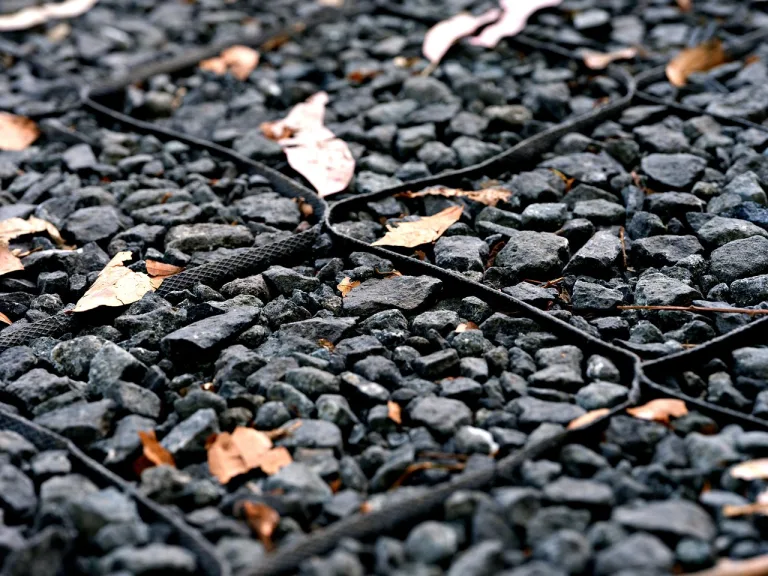
— Aggregates (sand, gravel, crushed stone): usually sold by cubic meter or ton. Delivered by dump truck or tractor-trailer. Quarried stone often available from regional suppliers.
— Cement: bagged (25–50 kg) and increasingly in bulk via silo trucks for large pours. Check production date and storage conditions.
— Ready-mix concrete: ordered by cubic meter; delivered by mixer trucks from local concrete plants.
— Bricks and blocks (clay brick, aerated concrete blocks): sold by pallet or truckload; stacking and protection from moisture are important.
— Reinforcing steel (rebar), structural steel: sold by ton, delivered by low-bed or flatbed trucks; cutting/bending services often available from suppliers.
— Timber and lumber: sold by linear meter/m3; protected from moisture and checked for grading.
— Insulation and drywall: palletized; sensitive to moisture — store under cover.
— Specialty materials (bitumen, road aggregates, geo-textiles): sourced from regional wholesalers for infrastructure projects.
Where to find suppliers in Vladimir
— Local wholesale yards and construction material bases near industrial zones.
— Regional distributors who service Vladimir Oblast with deliveries from central Russia quarries and plants.
— Online marketplaces and trade directories to identify suppliers and compare prices and delivery terms.
— For large volumes consider direct contracts with producers or quarries, or rail shipments from larger plants.
Delivery and logistics — practical notes
— Typical truck capacities (ballpark): 10–25 tonnes for common dump trucks; flatbeds and lowboys vary. Confirm truck type and net payload with supplier.
— Rail delivery can be cost-effective for very large volumes; check available sidings and transshipment costs.
— River transport (Klyazma and linked waterways) is possible seasonally but has limited window and handling needs — confirm navigation season and port handling.
— Schedule deliveries to avoid site congestion. For multi-truck deliveries, specify unloading sequence and site access.
— Permits: oversized or overweight loads might require permits; check regional road rules.
— Lead times: regional supply is usually fast for common aggregates and cement; specialty items may take weeks.
Storage and on-site handling in Vladimir’s climate
— Winter protection: Vladimir’s cold and wet seasons require indoor/covered storage for cement, adhesives, paints, and insulation.
— Aggregates: store on compacted, drained pads and cover to prevent freezing and contamination.
— Cement: keep off the ground on pallets and covered or in silos. Avoid prolonged exposure to moisture.
— Bricks/blocks: stack on pallets, cover with tarpaulins and allow ventilation to avoid frost damage.
— Timber: stack with stickers (spacers) to allow airflow and reduce warping; keep off wet ground.
— Electrical and mechanical handling: plan for cranes, forklifts and loaders for heavy or palletized loads.
Quality control and standards
— Request certificates of conformity and material passports; suppliers should provide documentation per Russian standards (GOST and technical passports).
— For cement, aggregates and concrete, insist on lab test results for strength, particle grading and contamination.
— For structural steel and rebar, verify grade marking, certificates, and compliance with required bending and yield characteristics.
— Accept deliveries with random sampling or third-party testing for critical projects.
Pricing and budgeting factors
— Price drivers: volume, distance from production site, transport type, seasonal demand (spring thaw and fall often slower/cheaper; summer high demand), tonnage discounts.
— Include delivery, unloading, storage protection and any transshipment fees in bids.
— For long-term projects consider fixed-price supply contracts or indexed pricing tied to regional material indices.
Seasonal considerations and scheduling
— Spring thaw (rasputitsa) can restrict heavy truck access; plan heavier deliveries before thaw or arrange for alternative routes.
— Winter pours require heated concrete or admixtures; schedule cement deliveries and silo setups accordingly.
— High-demand months (spring-summer) may require longer lead times — secure major orders in advance.
Environmental and regulatory points
— Dust control and runoff management for aggregates stockpiles may be regulated; prepare containment plans.
— Waste handling: plan for pallets, packaging and leftover materials recycling where possible.
— Ensure material sourcing follows local quarry licensing and environmental regulations — suppliers should provide permits if requested.
Practical procurement tips
— Order a realistic overage: commonly 5–15% extra depending on material and cuts/waste.
— Consolidate orders to reduce per-ton transport costs when possible.
— Stagger deliveries to match site progress and reduce on-site storage needs.
— Build relationships with 2–3 reliable suppliers to ensure backup capacity.
— Negotiate delivery windows and penalties for late delivery for mission-critical materials.
Quick checklist before placing a bulk order
— Confirm material specification and required certificates.
— Verify delivery vehicle type and net payload.
— Agree unloading method and site access/clearance.
— Ensure adequate on-site storage and weather protection.
— Confirm lead time, price (incl. delivery), and penalties/terms.
— Order buffer quantity for waste and breakage.
If you’d like, I can draft a supplier request-for-quotation (RFQ) template tailored for aggregate, cement or masonry orders in Vladimir, or help you estimate volumes and delivery schedules for a specific project.