Bulk Building Materials in Vladimir, Russia: Suppliers, Logistics and Practical Buying Guide
Overview
Vladimir and the surrounding Vladimir Oblast are active construction markets with steady demand for bulk building materials — sand, gravel, crushed stone, cement, fly ash, lime, and bulk concrete mixes. The region benefits from good transport links (the M7 highway and railway connections) and proximity to the Moscow market (about 200 km east), which influences supply options and pricing.
Common bulk materials and local availability
— Aggregates
— Sand (natural and washed) — used for concrete, mortar, backfill.
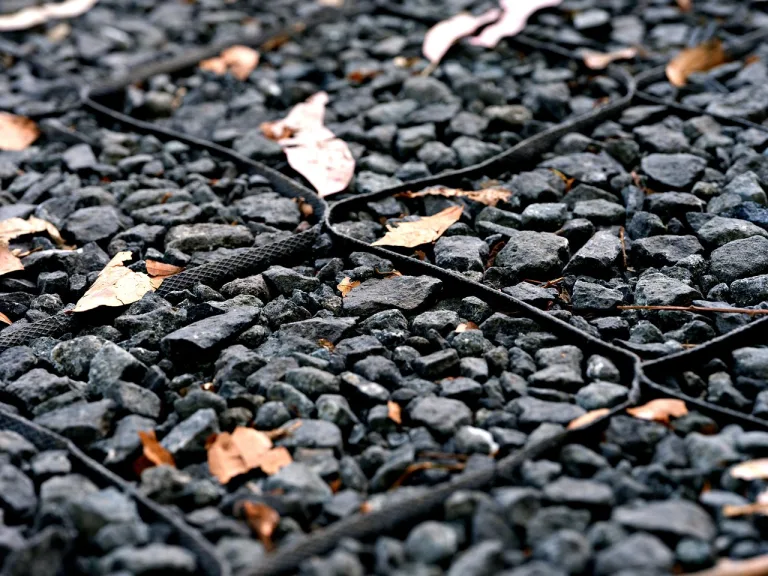
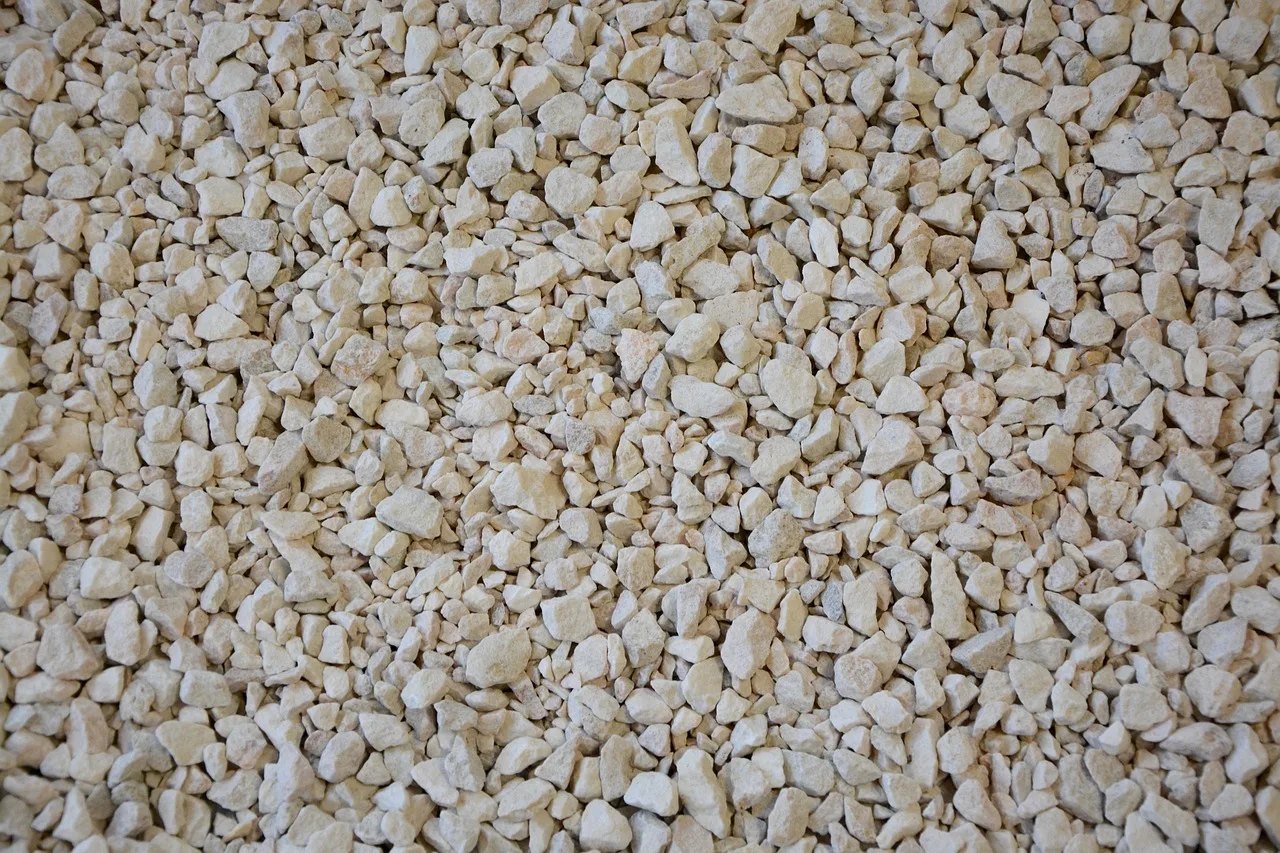
— Gravel and crushed stone of various fractions — local quarries supply road and structural grades.
— Screenings and sand–gravel mixes for foundations and leveling layers.
— Cement and binders
— Bulk cement delivered by silo trucks or in bags; local cement terminals and plants in the region and nearby.
— Lime and gypsum for mortar and finishing.
— Fly ash and slag (industrial by-products) — useful as mineral additives.
— Ready-mix concrete and mortar
— Mobile concrete plants and large batching plants that can deliver by mixer trucks.
— Special bulk items
— Sand–cement mixes, road salt (seasonal), bulk insulation granules (expanded clay) from local producers.
Where to source in Vladimir
— Quarry and aggregate providers — ask for extraction permits and GOST compliance.
— Concrete batching plants and ready-mix suppliers (deliver by mixer).
— Construction wholesale bases and material markets in Vladimir city.
— Regional terminals and distributors — they consolidate deliveries from plants and Moscow suppliers.
— Online marketplaces and B2B platforms (local listings, Avito, Yandex.B2B) — useful for pricing comparisons and small suppliers.
Logistics and delivery options
— Road – dump trucks, roll-off containers, mixer trucks, silo tankers for cement and powders. Most common for final-mile delivery.
— Rail – bulk wagons for very large volumes (cost-efficient over longer distances). Requires rail siding or transshipment.
— Transshipment – use local terminals to move material from rail to trucks for site delivery.
— Important logistics notes:
— Plan delivery windows to avoid site congestion.
— For cement and powders use silo or sealed tankers to prevent moisture ingress.
— For cold-season concrete, order heated mixes or use anti-freeze admixtures.
Storage and handling on site
— Aggregates: keep as separate piles on compacted, drained pads; use geotextile base to limit contamination; cover with tarps in wet season if necessary.
— Cement and powders: store in sealed silos or dry, ventilated warehouses above ground level; control humidity and temperature.
— Concrete: minimize on-site storage time; use appropriate curing and frost protection in winter.
— Safety: dust suppression (water sprays), clear signage, proper PPE for workers handling bulk materials.
Quality control and standards
— Require material certificates and test reports (GOST/Russian standards) for each batch or delivery.
— For aggregates: check gradation (particle size distribution), cleanliness (fines), and frost resistance if used in exposed structures.
— For cement: check brand, grade (e.g., strength class), production date, and storage conditions.
— Sample and test critical deliveries in an independent lab if project-critical.
Regulatory and environmental considerations
— Ensure suppliers have valid extraction permits and environmental approvals.
— Dust, runoff, and noise controls may be required for large stockpiles — plan mitigation (covers, berms, dust suppression).
— Waste and surplus materials should be handled per local waste regulations; some by-products (ash, slag) may have specific reuse rules.
Cost and timing tips
— Volume discounts are common — aggregate prices can drop substantially with larger, regular contracts.
— Seasonal demand affects price and availability: spring thaw and construction peaks can increase lead times and costs.
— Include delivery costs, site handling, and losses (swell for aggregates) when budgeting.
— Negotiate staged deliveries to reduce on-site storage and handling costs.
Supplier selection checklist
— Valid licenses, permits, and insurance.
— Certificates of conformity (GOST) and recent lab test reports.
— Fleet capacity and delivery reliability (number/type of trucks, silo availability).
— References from recent projects in Vladimir Oblast.
— Transparent pricing (unit price, delivery, waiting time, penalties).
— Contract terms: quality acceptance procedure, sampling, dispute resolution.
Practical checklist before ordering
— Specify material grade, fraction sizes, moisture tolerance, and allowable impurities.
— Provide exact delivery address, access restrictions, and offloading method.
— Agree lead time, delivery schedule, and contingency for delays.
— Request a sample delivery or trial batch for large orders.
— Include penalties or holdback clauses for nonconforming deliveries.
Quick local market advice
— Use local batching plants for ready-mix concrete to reduce transport-related quality loss.
— For very large aggregates orders, compare rail plus transshipment vs. direct truck delivery for cost efficiency.
— When working in winter, insist on frost-protected mixes or admixtures and verify supplier winter capabilities.
Next steps
— Prepare a one-page specification for each material you need.
— Request quotes from at least three suppliers (include delivery terms).
— Visit supplier sites or ask for recent project references in Vladimir.
— Arrange for certificate checks and, if needed, third-party testing for first deliveries.
If you want, I can:
— Draft a short RFQ template for bulk aggregates or cement to send to suppliers.
— Suggest a sample supplier evaluation questionnaire tailored to Vladimir projects.