Bulk Building Materials in Vladimir, Russia — Buying, Delivery and Storage Guide
Bulk Building Materials in Vladimir, Russia: What You Need to Know
Whether you are building a house, renovating, or working on a road project in Vladimir, buying bulk building materials efficiently can save time and money. This guide covers the common materials, how to calculate quantities, logistics and delivery in the Vladimir area, quality and compliance tips, storage best practices, and where to source reliable suppliers.
Common bulk materials and their uses
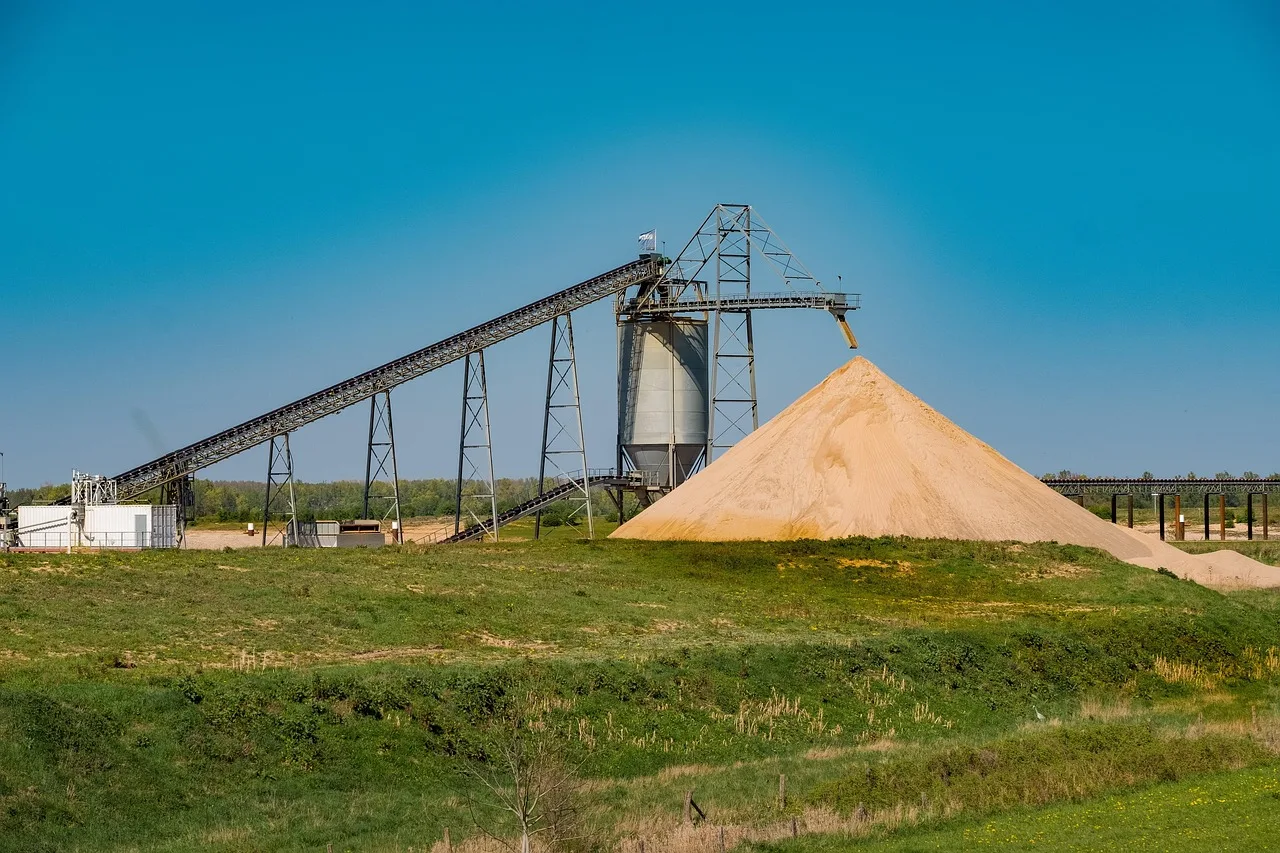
— Sand (river sand, quarry sand) — for concrete, mortar, backfilling, and bedding pipes.
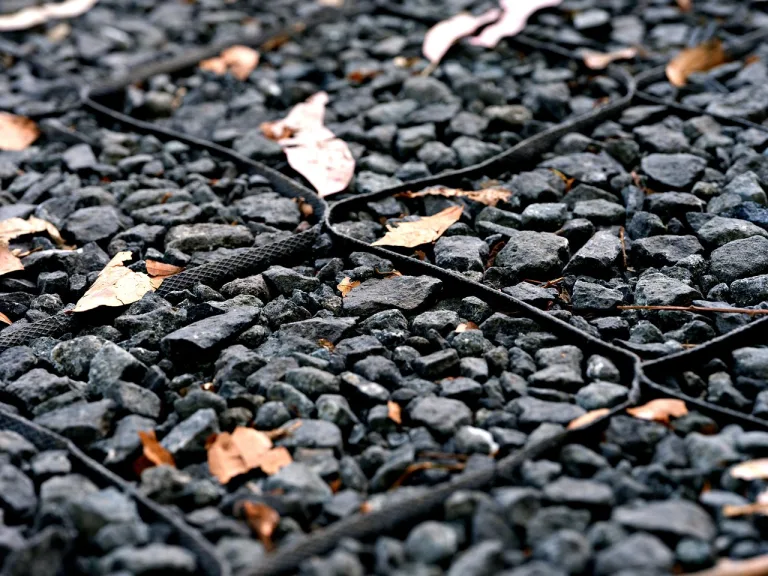
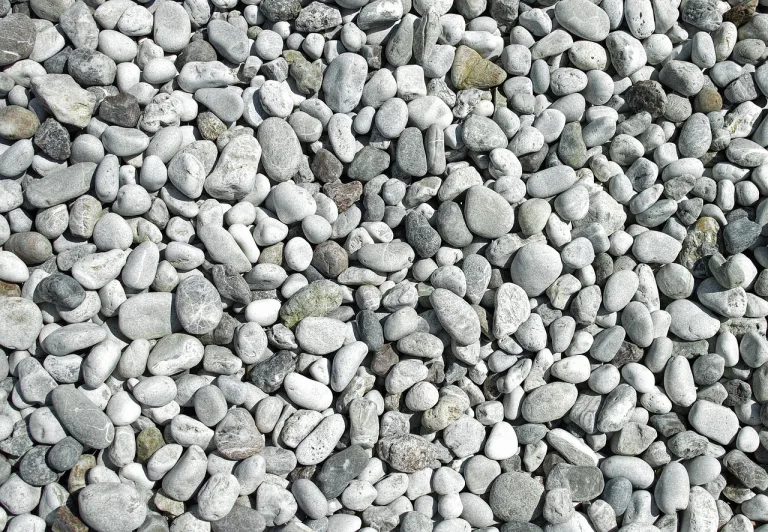
— Gravel / crushed stone — base for foundations, roads, drainage layers, concrete aggregate.
— Crushed screenings / rubble — leveling layers, roadbed fill, low-cost backfill.
— Topsoil / fertile soil — landscaping and gardening.
— Expanded clay (kерамзит) — lightweight fill, thermal insulation in floors and roofs.
— Bulk cement (silo delivery) — for large concrete works (note: often also supplied in bags).
— Slag, crushed brick, recycled materials — cheaper alternatives for non-structural fill.
Calculating how much you need
— Start with the volume: area × thickness = cubic meters (m³).
Example: 100 m² area × 0.1 m thickness = 10 m³.
— Convert volume to mass for transport/ordering using approximate bulk densities:
— Sand: ~1.5–1.7 t/m³ (commonly ~1.6 t/m³)
— Gravel / crushed stone: ~1.4–1.8 t/m³
— Expanded clay: 0.3–0.7 t/m³ (depends on fraction)
— Add a wastage margin: typically 5–10% for screened materials, 10–15% for uneven ground or dense compaction.
— Always confirm supplier-specific densities and delivery capacities before finalizing the order.
Delivery and transport in Vladimir region
— Typical delivery vehicles: dump trucks (various capacities), tipper trucks, silotrucks for bulk cement, and flatbeds for packaged goods.
— Factors that affect cost:
— Distance from quarries/suppliers to the delivery address.
— Type of access (narrow lanes, weak driveways) that may require smaller trucks.
— Seasonal conditions — winter roads and thaw periods can increase difficulty and price.
— Unloading options:
— Tip unloading (dump truck) — fastest for sand/gravel.
— Front-end loader — useful for mixed loads or precise placement.
— Conveyor or pump systems for some fine materials (rare at small sites).
— Tip: Request an exact delivery window and confirm driver unloading capabilities to avoid delays and extra fees.
Quality, certification and standards
— Ask suppliers for technical documentation and compliance certificates. In Russia, materials typically reference GOST or TU standards — request these or test reports.
— Check for:
— Grain composition for sand (presence of clay, silt).
— Fraction sizes for crushed stone (e.g., 5–20 mm, 20–40 mm).
— Contamination (organic matter in topsoil, fines in aggregate).
— For structural concrete work, insist on certified aggregates and lab test results or sample testing at a local lab.
Storage and on-site handling
— Keep sand, gravel and soils on an elevated, drained surface to avoid contamination from mud and groundwater.
— Cover stockpiles with tarpaulins to prevent washout during rain and icing in winter.
— Separate different materials physically to avoid cross-contamination.
— For cement and fine materials:
— Store in dry, ventilated spaces and off the ground on pallets.
— Use FIFO (first in, first out) to avoid long-term storage of cement that may have absorbed moisture.
— Protect expanded clay from prolonged exposure to moisture and freeze-thaw cycles if not intended for outdoor use.
Seasonal and environmental considerations in Vladimir
— Winter: frozen ground can speed excavation in some cases but complicates mixing and compaction. Ensure concrete works avoid low-temperature risks or use winterized mixes.
— Thaw season (rasputitsa): unpaved roads become difficult; factor in longer delivery times and possible need for heavier vehicles.
— Environmental rules: avoid illegal extraction and confirm supplier permits when sourcing from local quarries. Ensure runoff and dust controls during unloading and storage.
How to find suppliers in Vladimir
— Search local construction marketplaces and classified sites (e.g., Avito), professional directories, and construction forums specific to Vladimir Oblast.
— Contact:
— Regional building material bases and brick yards.
— Concrete plants and quarry operators — they often supply aggregates in bulk.
— Construction companies and contractors who may sell surplus or recommend trusted suppliers.
— Ask for references, recent delivery photos, and the option to inspect material before bulk acceptance.
Tips to save money and reduce waste
— Order consolidated deliveries for multiple materials from one supplier to reduce freight costs.
— Use local aggregates where possible — transport often forms a large part of the final price.
— Reuse on-site materials (crushed concrete, screenings) where structural requirements allow.
— Plan deliveries to align with work phases — avoid long on-site storage of sensitive materials.
Checklist before you order
— Confirm exact volumes and include a waste margin.
— Verify material specification and request certificates or lab results.
— Check truck type and unloading options for your site access.
— Agree delivery date, unloading time, and penalties for delays if important.
— Arrange on-site storage area and protection (tarps