Bulk Building Materials in Vladimir, Russia — Guide to Buying, Delivering and Storing Aggregates and Cement
Bulk Building Materials in Vladimir, Russia — What Builders Need to Know
Whether you’re building a private house in the districts around Vladimir, renovating an apartment, or managing a larger construction site, buying bulk building materials smartly saves money, time and reduces waste. This guide explains what to buy, how much you need, how deliveries in Vladimir typically work, and the practical checks to protect your budget and schedule.
Why buy in bulk in Vladimir?
— Lower unit price compared with retail bags or small loads.
— Fewer deliveries and less downtime on site.
— Easier logistics for large earthworks, foundations and concrete works.
— Local suppliers along the M7 corridor and rail links make deliveries efficient across the Vladimir region.
Common bulk materials and typical uses
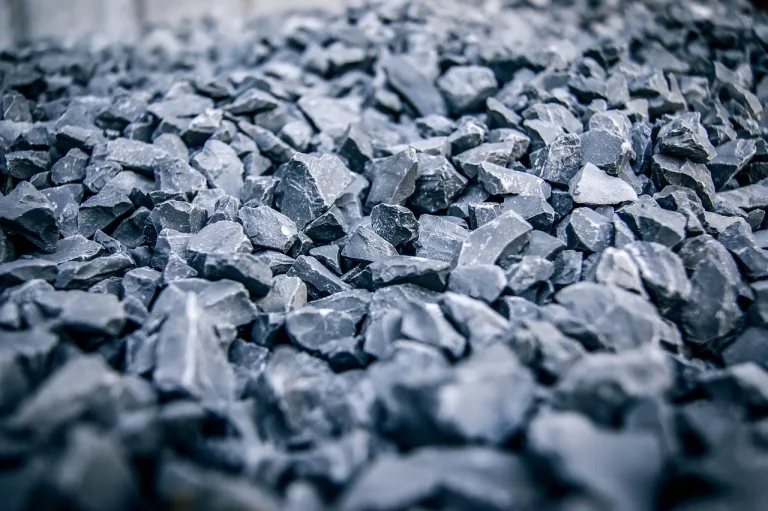
— Aggregates (sand, gravel, crushed stone / щебень) — foundations, concrete mix, drainage.
— Bulk cement (bulk tanker or silo delivery) — ready-mix concrete plants, large mortar production.
— Topsoil, fill and subbase materials — landscaping, backfill and road bases.
— Lime, fly ash, and mineral additives — soil stabilization and concrete additives.
— Bitumen (bulk) and crushed recycled concrete — pavement and sub-base work.
*Quick density references (approximate — confirm with supplier before ordering):*
— Sand: ~1.4–1.7 t/m³
— Crushed stone/gravel: ~1.4–1.8 t/m³
— Topsoil: ~1.0–1.3 t/m³
Use supplier-provided densities to convert between m³ and tonnes for accurate pricing.
How to calculate quantities
— Formula: Volume (m³) = Area (m²) × Depth (m).
— Always add a contingency: +5–15% for compaction, waste and settlement depending on task.
— Convert to tonnes using the material density provided by the supplier. Example: 50 m³ of sand × 1.6 t/m³ = 80 tonnes.
Choosing a supplier in Vladimir
Look for:
— Local delivery capability (M7/Volga highway access, rail or river options).
— Fleet types: dump trucks (самосвалы), low-bed trailers, bulk cement tankers and silo offloads.
— Clear pricing: unit price plus delivery rates per km or flat fee, and any minimum order.
— Certificates and compliance: request quality documents and conformity certificates for materials.
— References and recent projects in the Vladimir region.
Delivery and logistics — local considerations
— Vladimir’s road network and M7 make many deliveries straightforward, but check vehicle access to your site (gates, turning radius, weight limits).
— Schedule larger deliveries early in the day — less traffic, faster offloading.
— For cement and admixture deliveries in winter, confirm heated silos or protective measures; cement can degrade with moisture and frost.
— Prepare offloading areas: level ground, clear overhead obstacles, and equipment (crane, loader) if needed.
Storage and on‑site handling
— Keep loose materials covered and on a compacted base with drainage to avoid contamination and moisture gain.
— Store cement in dry, raised, covered areas — unopened or in sealed silos.
— Segregate different grades of aggregates to avoid blending errors.
— Label piles and keep a small stock rotation record to avoid long-term exposure.
Quality control and documentation
— Ask for test results and certificates of conformity to national standards (GOST) or supplier quality documents.
— Sample deliveries on arrival: visual check for foreign particles, consistent grain size, moisture content.
— For critical concrete works, insist on supplier-provided particle size curves and granulometry for aggregates.
— Keep delivery notes and weighbridge tickets for each load.
Seasonal tips for Vladimir’s climate
— Winter: plan for frozen ground, lower productivity, and potential frost-related quality issues — consider antifreeze admixtures or heated storage.
— Spring thaw: expect wetter materials and higher moisture content; adjust mix designs for concrete and compaction strategies for sub-bases.
— Summer: schedule large earthworks earlier in the day to avoid dust issues and high moisture evaporation.
Pricing, payment and negotiation
— Ask for a full breakdown: material cost, loading, distance-related delivery, unloading and any waiting time fees.
— Bulk discounts are common — ask about tiered pricing for larger orders.
— Negotiate delivery windows and penalties for late deliveries in the contract.
— For regular supply, consider a framework agreement with fixed pricing or indexed pricing linked to fuel or commodity indexes.
Environmental and regulatory notes
— Ensure the supplier follows local waste and runoff regulations — dust suppression and sediment control are important near watercourses (Klyazma River basin).
— Recycled aggregates can be cost-effective and environmentally friendly; check technical suitability for structural works.
Ordering checklist (before you place a bulk order)
— Calculate exact volume and add contingency.
— Confirm material specification and required certificates.
— Get written quote with delivery terms, vehicle types and dates.
— Verify site access and offloading equipment.
— Agree acceptance criteria, samples and payment terms.
— Schedule delivery and confirm contact person on site.