Bulk Building Materials in Vladimir, Russia: A Practical Guide for Builders and Contractors
Bulk Building Materials in Vladimir, Russia: A Practical Guide
Whether you’re renovating a dacha, building a townhouse, or managing a large construction site in Vladimir Oblast, sourcing bulk building materials effectively saves time, money, and headaches. This guide covers the most common materials, local logistics, quality standards, cost drivers, and practical tips for contractors and private buyers in Vladimir.
Common bulk materials and typical units
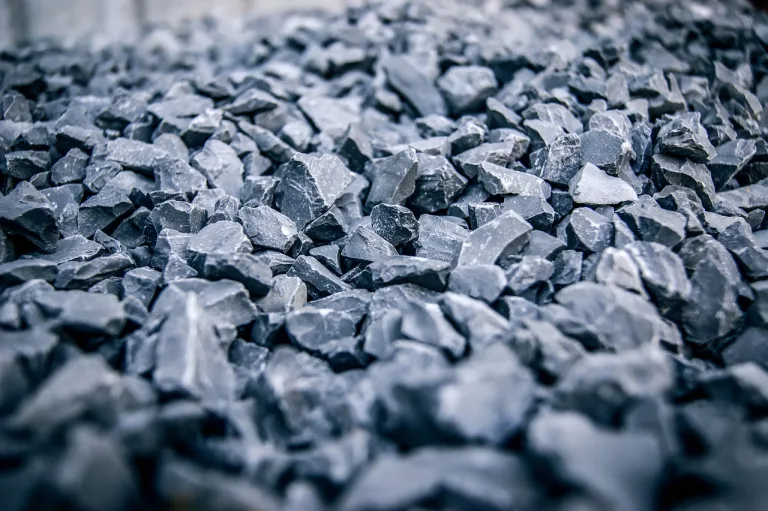
— Sand, gravel, crushed stone — sold by the cubic meter (m³) or ton. Used for concrete, backfill, and bedding.
— Cement — usually bagged (50 kg) and by pallet; also available in bulk by tanker (silo delivery) for large projects.
— Ready-mix concrete — delivered by mixer truck in cubic meters.
— Bricks and blocks — sold per piece or pallet; consider cubic meters for masonry planning.
— Rebar and steel profiles — sold by ton or linear meter.
— Lumber and timber — sold by board meters or cubic meters; common sizes and lengths vary.
— Insulation (mineral wool, PIR, EPS) — sold per roll, board, or pallet.
— Roofing materials (metal sheets, tiles) — sold per sheet, piece, or square meter.
— Gypsum products (drywall, plaster) — boards per sheet/pallet; bulk plaster by bag or silo.
— Bulk admixtures, lime, and specialty aggregates — by ton or bag.
Local logistics and delivery considerations
— Vladimir is well-connected via the M7 highway and regional rail lines; many suppliers can deliver by dump truck (KamAZ), flatbed, mixer truck, or rail wagon for high volumes.
— For ready-mix concrete, check truck-mix availability and time windows—traffic and temperature in winter affect workability.
— Confirm unloading capabilities at your site: crane, loader, or manual? Some suppliers provide unloading equipment for an extra fee.
— Plan deliveries around winter conditions: frozen ground, snow clearance, and limited work hours may require heated storage or staged deliveries.
Quality, standards and documentation
— Ask for compliance with Russian standards (GOST) and certificates of conformity for key materials (cement, reinforcement, bricks).
— For aggregates and concrete, request particle size analyses, compressive strength tests, and any manufacturer warranties.
— Keep delivery notes, certificates, and invoices for warranty claims and for inspection by local authorities.
Pricing factors and how to get the best deal
— Price drivers: distance from supplier, transport type, seasonality (spring thaw and pre-winter rush), volume, and material grade.
— Typical vendor pricing levers:
— Volume discounts for truckloads or multiple pallets.
— Long-term contracts for ongoing sites — secure better rates and priority delivery.
— Off-season purchases may reduce cost but consider storage needs.
— Always get three written quotes including delivery, unloading, taxes (NDS/VAT), and any extra fees.
Storage and handling on site
— Store cement and gypsum in dry, elevated, covered areas; protect from snow and moisture.
— Keep aggregates on a compacted pad or in containers to avoid contamination.
— Stack bricks and blocks on pallets with stretch film, on level supports.
— Label and rotate stock to use older materials first; keep MSDS for chemical products.
Permits, waste and environmental considerations
— For large excavation or transport of soil, check local permits and environmental rules in Vladimir Oblast.
— Dispose of construction waste via licensed operators; consider recycling options for concrete and masonry (crushed concrete as base aggregate).
— Where possible, select materials with environmental certifications or recycled content to reduce your project’s footprint.
Practical tips for buyers in Vladimir
— Visit supplier yards when possible to inspect stock and yard conditions.
— Request sample batches for critical materials (concrete, insulation, finishing plasters).
— Confirm lead times—manufacturers may prioritize larger urban centers, so order early.
— Factor in cold-weather additives for winter concrete pours and plan for heated storage of temperature-sensitive materials.
— Keep a written contract specifying quantity tolerances, acceptance criteria, and penalties for late delivery.
Quick checklist before placing a bulk order
— Quantities calculated in correct units (m³, ton, pcs).
— Delivery vehicle type and access confirmed.
— Unloading method arranged.
— Quality certificates requested.
— Written price including delivery, VAT, and extras.
— Storage plans on site.
— Waste removal plan.
Final advice
Start supplier conversations early, compare quotes, and prioritize reliable delivery and certified materials over the lowest price alone. With the right planning—taking into account Vladimir’s climate, transport routes via the M7 and rail, and local regulations—you can optimize costs and keep your project on schedule.
If you’d like, I can help draft an email template to request quotes from local suppliers or a materials checklist tailored to your project type and volumes.