Bulk Building Materials in Vladimir, Russia: What Builders and Homeowners Need to Know
Bulk Building Materials in Vladimir, Russia: Practical Guide
Whether you’re renovating a private house, building a garage, or managing a civil project in Vladimir or the surrounding oblast, handling bulk building materials correctly saves time, money, and headaches. This guide covers the types of materials available, how to calculate quantities, delivery and storage tips for the Vladimir climate, quality and certification checks, and practical advice for choosing a local supplier.
Common bulk materials and typical uses
— Sand — bedding, masonry mortar, concrete, backfill.
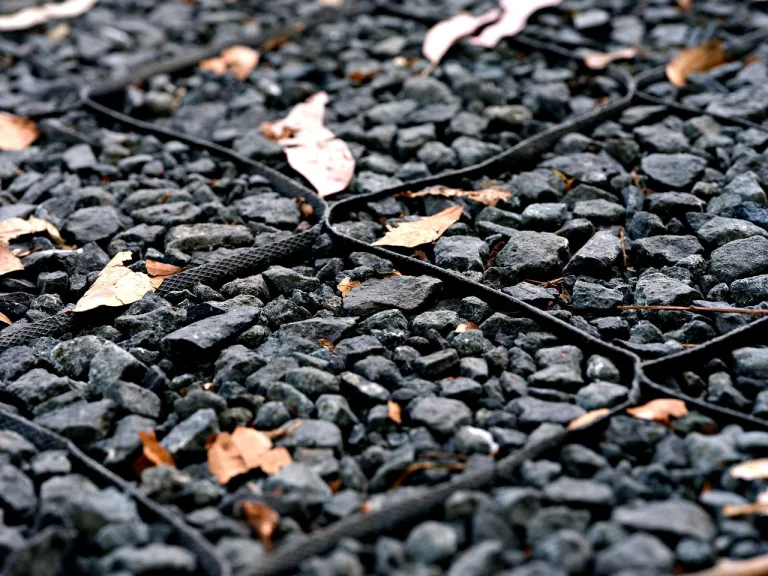
— Gravel and crushed stone (granulometry 5–40 mm) — foundations, drainage, road base.
— Pit sand / river sand — fine finishes, mortar mixes.
— Cement (bulk or bags) — concrete and mortar production on-site.
— Lime and gypsum (bulk/packaged) — finishing and stabilizing soils.
— Topsoil and fill — landscaping and grade adjustments.
— Crushed brick, slag, recycled materials — economical backfill and road subbase.
— Bricks and blocks (bulk pallet deliveries) — masonry work.
Quality, standards and certification
— Always ask for certificates of conformity (сертификаты соответствия) and laboratory test results when buying large volumes.
— In Russia, materials should comply with relevant GOST standards; check the supplier can provide documentation on request.
— For concrete aggregates, check grading (particle size distribution) and fines content (excess fines affect concrete properties).
— Inspect deliveries for visible contamination (organic matter in sand, clay lumps, excessive dust).
Calculating how much you need
— Basic formula: Volume (m³) = Area (m²) × Thickness (m).
— Convert to tonnes using approximate densities:
— Sand ≈ 1.6 t/m³
— Crushed stone ≈ 1.4–1.6 t/m³
— Topsoil ≈ 1.2–1.4 t/m³
— Example: a 100 m² driveway with 0.10 m base → 100 × 0.10 = 10 m³ → sand ~16 tonnes.
— Allow for compaction and waste: add 5–15% depending on the material and how it will be placed.
Delivery and transport in Vladimir
— Typical delivery vehicles: small tipper trucks (3–5 t), medium dump trucks (10–20 t), larger off-road dumpers for heavy loads. Concrete mixers come in various capacities if ordering ready-mix.
— Check road access to your site — narrow lanes, weight limits, and winter conditions in Vladimir oblast can restrict large trucks.
— Confirm whether supplier offers unloading (mechanical or manual) and the cost for stacking on-site.
— Agree in advance on delivery windows; urban deliveries often require short notice and coordination to avoid fines or municipal restrictions.
On-site storage and handling
— Store aggregates on a firm, drained base, separated by type (avoid cross-contamination).
— Protect cement and other hygroscopic materials from moisture — store off the ground and under cover.
— In winter, frozen materials may be unusable or require thawing; plan deliveries when material will be workable.
— Avoid long-term outdoor storage of fine sand without protection — rain and snow increase moisture and change dosing.
Seasonal considerations in Vladimir oblast
— Cold temperatures and repeated freeze–thaw cycles affect storage and placement of many materials.
— Spring thaw can make sites muddy and limit heavy vehicle access — consider earlier deliveries or seasonal staging areas.
— For concrete works, plan for anti-freeze admixtures or thermal protection when pouring in low temperatures.
Choosing a local supplier — checklist
— Request references and look for repeat customers or local construction partners.
— Confirm certification and test reports for each batch (especially for aggregates and cement).
— Ask about logistic capabilities: typical delivery vehicles, unloading options, lead time.
— Verify pricing structure: per tonne vs per cubic meter, minimum order, delivery fee, waiting time charges.
— Check payment terms and documentation: waybill (товарная накладная), certificate of conformity, act of acceptance (если требуется).
Documentation and acceptance
— Upon delivery, verify weight or volume and inspect material visually.
— Sign an acceptance act (акт приема-передачи) noting any discrepancies or visible defects.
— Keep delivery documents and certificates for warranty and project records.
Cost control and negotiation tips
— Buy in bulk to reduce unit price, but balance with storage limits and project schedule.
— Get multiple quotes and compare what’s included (delivery distance, unloading, taxes).
— For recurring needs, negotiate a framework contract with fixed prices for a season.
— Consider local quarries or producers to reduce transport costs; local suppliers often know seasonal road restrictions.
Quick practical tips
— Measure volumes twice and account for 5–15% waste.
— Ask for material samples or visit the supplier’s yard before purchase.
— Coordinate deliveries during daylight and in good weather where possible.
— For important structural mixes, consider laboratory testing of aggregates and trial mixes.
Conclusion
Sourcing bulk building materials in Vladimir requires attention to material quality, accurate quantity calculations, logistics adapted to local roads and climate, and solid documentation. Work with suppliers who provide proper certificates, clear delivery terms, and reliable local experience. Planning ahead — especially for winter and spring conditions — will keep your project on schedule and within budget.