Bulk Building Materials in Vladimir, Russia: A Practical Guide for Builders and Contractors
Bulk Building Materials in Vladimir, Russia: A Practical Guide
Whether you’re building a house, paving a road, or supplying a large construction site in Vladimir, understanding how to buy, store and transport bulk building materials will save you time and money. This guide covers common materials, local considerations, quality and regulatory checkpoints, practical ordering tips and on-site handling for projects in Vladimir and the surrounding Vladimir Oblast.
Which bulk materials are most commonly used
— Sand (fine and coarse) — foundations, concrete, mortar, backfill
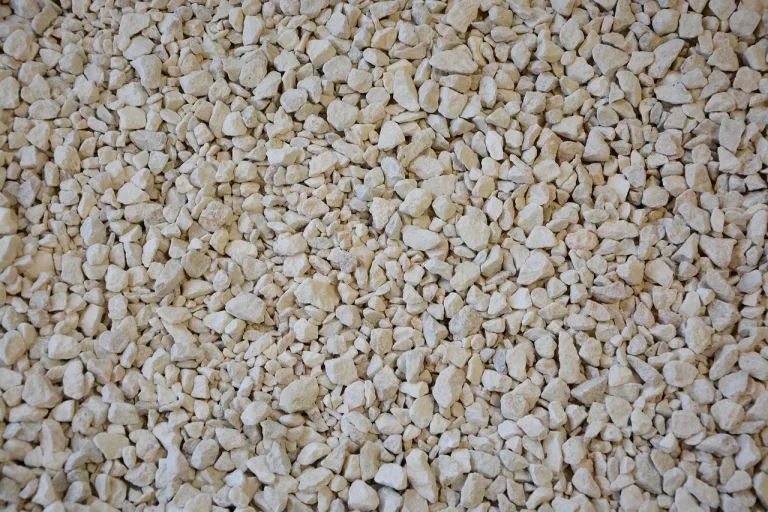
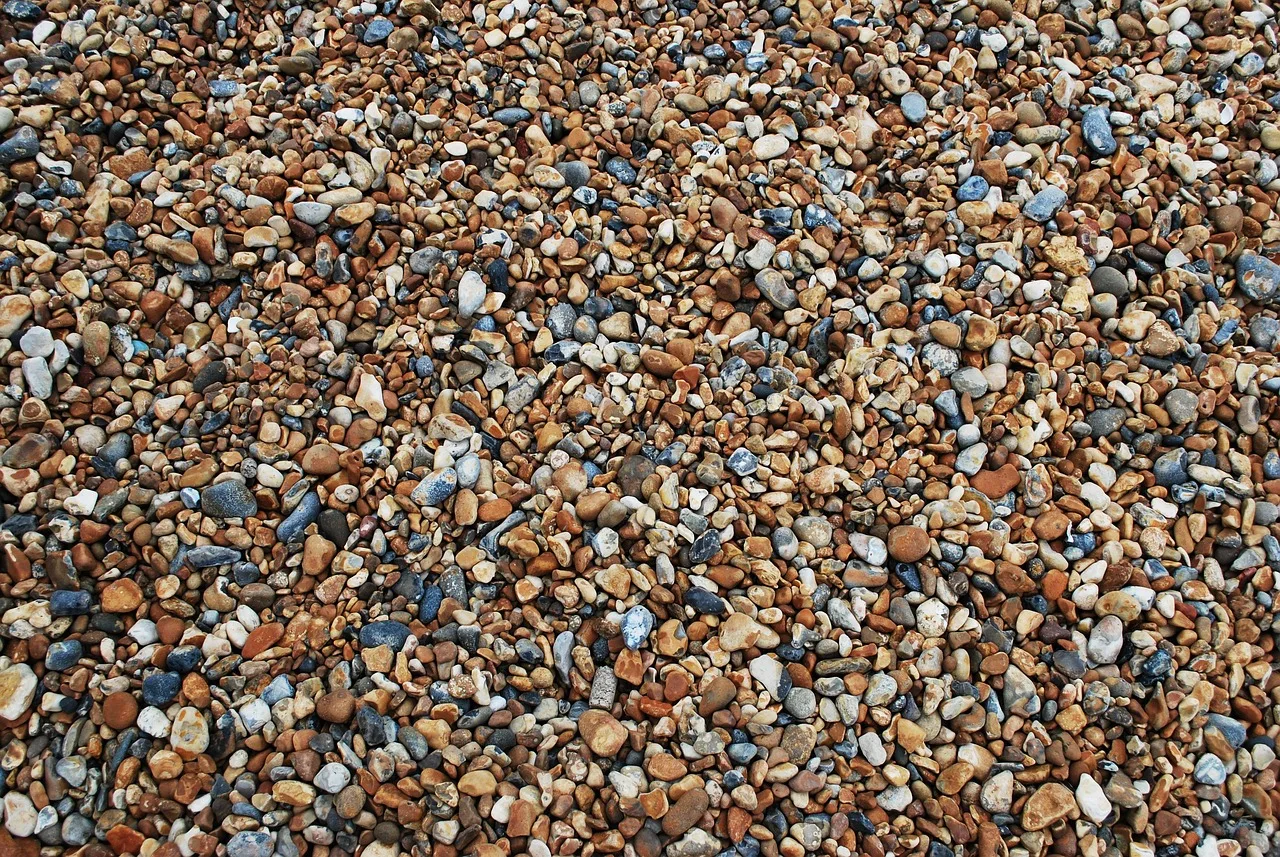
— Crushed stone / gravel — concrete aggregate, base layers for roads, drainage
— Topsoil and fill — landscaping, levelling
— Cement (bulk and bagged) — concrete and mortar production
— Slag, fly ash and industrial by-products — supplementary cementitious materials and soil stabilization
— Lime and cement additives — soil correction and mortar adjustments
Local considerations for Vladimir, Russia
— Comply with Russian standards: check GOST and TU certificates for materials (grain size, fractional composition, strength parameters).
— Seasonal road restrictions (rasputitsa) and municipal weight limits can affect heavy deliveries in spring — plan ahead.
— Many regional quarries and material yards supply Vladimir; delivery from nearby sources reduces cost and lead time.
— Dust, noise and environmental restrictions may apply near urban areas — suppliers should demonstrate mitigation measures.
How to calculate quantities and convert volumes
— Always order by volume (m³) or mass (t) depending on supplier. Use density to convert:
— Sand: ~1.4–1.7 t/m³ (typical average 1.6 t/m³)
— Crushed stone/gravel: ~1.4–1.7 t/m³
— Cement (bulk): ~1.4–1.5 t/m³
— Fly ash: ~0.9–1.0 t/m³
— Conversion formula: mass (t) = volume (m³) × density (t/m³)
— Practical example: 50 m³ crushed stone × 1.6 t/m³ = 80 t
— Add a waste margin: 5–10% for cutting/compaction/settling (larger projects may need more precise allowance).
Choosing a supplier — checklist
— Valid business registration and licenses for extraction/production.
— GOST/TU certificates and recent lab test reports (grain size distribution, silica content, impurities).
— Delivery fleet capacity and vehicle types (tippers, lowbed, silo trucks for bulk cement).
— Minimum and maximum delivery volumes, lead times and seasonal constraints.
— Terms: price per m³ or per ton, VAT, payment terms, cancellation policy.
— Environmental compliance: dust control, water runoff management, rehabilitation plans for quarries.
— References and local project experience in Vladimir Oblast.
Quality and testing to request
— Particle size distribution (sieving charts) for aggregates.
— Moisture content (important for mass-based pricing).
— Contaminant analysis (clay, organic matter) for topsoil and fill.
— Compressive strength performance for concrete mixes (when using their aggregates + cement).
— Certificate of conformity to GOST for delivered batches.
Delivery and logistics tips
— Schedule deliveries to match on-site handling capacity — avoid stockpiling on public roads.
— Use weighbridges or documented scales for mass-based orders.
— Coordinate offloading: ensure site vehicles (front loaders, excavators) and space are ready.
— For bulk cement, prefer silo-equipped delivery trucks to reduce dust and handling loss.
— During spring thaw, check local municipal road weight limits and obtain necessary permits for heavy loads if required.
Storage and on-site handling
— Store different materials separately and on stable bases to prevent contamination.
— Cover sand, cement and fine materials to prevent moisture uptake and frost damage.
— Keep bulk cement in sealed silos or under tight cover; bagged cement on pallets, elevated from ground.
— Use first-in, first-out (FIFO) for materials with expiration or quality degradation risk.
— Implement dust suppression (watering systems, covers) for aggregates during dry periods.
Environmental and permitting notes
— Quarry operations and large deliveries may be subject to local environmental controls — ask suppliers for documentation.
— Avoid unauthorised extraction or unregulated backfill — that can lead to fines and project delays.
— Consider recycling options (crushed concrete, recycled asphalt) where appropriate — often cheaper and environmentally beneficial.
Cost control and negotiation
— Compare per m³ and per-ton pricing including delivery and VAT.
— Ask for long-term contract discounts if you have repeat demand.
— Consolidate deliveries and use nearby quarries to cut transport costs.
— Monitor moisture levels if pricing is by mass — wet materials weigh more but contain less usable solids.
Practical buying workflow for projects in Vladimir
1. Define the required materials, volumes and acceptable specifications.
2. Get 3–5 competitive quotes from local suppliers; request certificates and recent lab tests.
3. Confirm delivery windows, vehicle types, access routes and site handling equipment.
4. Sign a supply agreement that includes quality acceptance criteria and liability for off-spec batches.
5. Inspect and document deliveries (photos, delivery notes, weighbridge tickets, certificates).
6. Store and handle per recommendations; test mixes if using for structural concrete.
Quick checklist before placing an order
— [ ] Specifications and required grain sizes confirmed
— [ ] Volume calculation with waste margin included
— [ ] Supplier certificates and references checked
— [ ] Delivery date and vehicle access confirmed
— [ ] Storage plan and handling equipment ready
— [ ] Payment and contract terms agreed
Final tips
— For projects in Vladimir, sourcing from local quarries reduces lead time and transport cost — but always validate quality.
— Plan around seasonal constraints (spring road restrictions) to avoid costly delays.
— Keep documentation for all batches delivered — it protects you if a material causes problems later.
If you’d like, I can:
— Draft an email template to request quotes and certificates from local suppliers in Vladimir.
— Provide a basic material-volume calculator tailored to your project specifications.