Buying Bulk Building Materials in Vladimir, Russia: Practical Guide for Contractors and Builders
Buying Bulk Building Materials in Vladimir, Russia: Practical Guide for Contractors and Builders
Construction in Vladimir and the surrounding oblast demands careful planning when purchasing bulk materials. Whether you are building a private home, renovating, or managing a large civil project, this guide covers the local realities and practical steps to secure quality materials, optimize logistics and control costs.
Overview: What «bulk building materials» covers
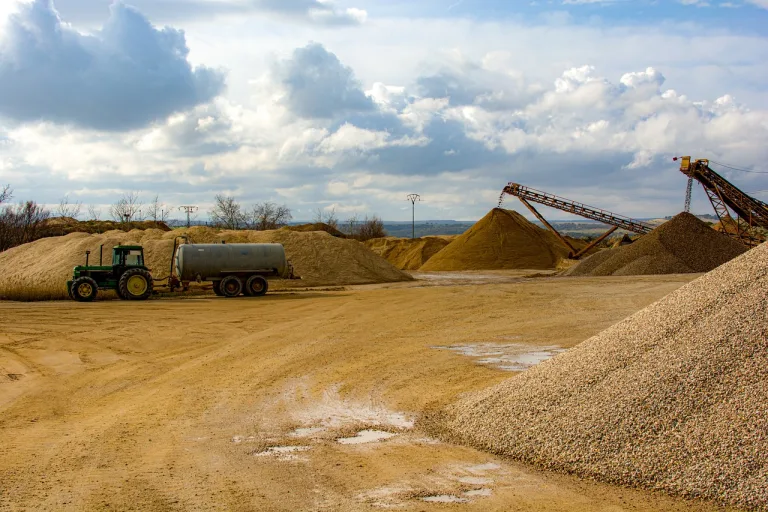
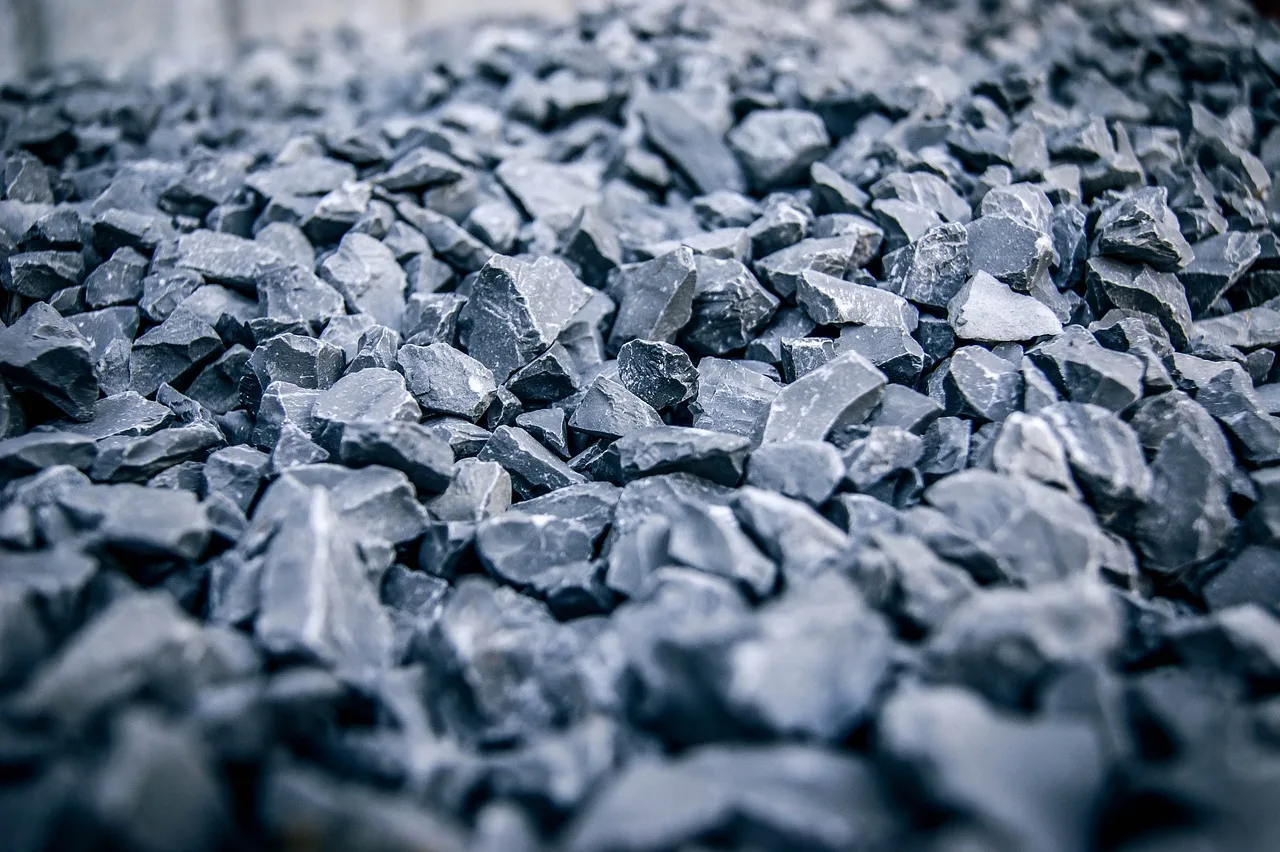
— Aggregates: sand, gravel, crushed stone
— Cement (bulk delivery to silo or bagged 50 kg)
— Ready-mix concrete
— Bricks and concrete blocks (palleted but ordered in bulk)
— Crushed screenings, crushed slag
— Thermal and moisture insulation in bulk (loose mineral wool, expanded clay)
— Timber and bulky components (beams, formwork timber) delivered in large volumes
— Roofing sheets, metal decking (bulk pallet shipments)
Why locality matters: Vladimir specifics
— Vladimir is the regional centre; suppliers and quarries are available in the oblast, but distances and road quality affect delivery times and cost.
— Seasonal factors: harsh winters require winterized concrete mixes and protected storage; spring thaw (rasputitsa) can limit heavy truck access on secondary roads.
— Local administration and road-weight limits may affect heavy truck routes—check with local authorities for oversized or heavy loads.
Choosing a supplier in Vladimir
— Prioritize suppliers who provide:
— Certificates of conformity / quality report (паспорт качества, сертификат соответствия)
— Delivery options (dump truck, mixer, silo delivery, crane offload)
— Clear pricing including loading/unloading, road surcharge, and return/replacement terms
— Ask for references and recent projects in Vladimir oblast.
— Compare several quotes — local quarries often can beat national chains on aggregates if transport is short.
Quality and compliance checks
— Insist on GOST or technical specifications (ГОСТ/ТУ) for materials.
— Request a quality passport (паспорт качества) or certificate with each delivered batch.
— For cement and aggregates, have occasional lab checks for particle size, moisture content, and strength — particularly for structural concrete.
— On delivery, visually inspect:
— For aggregates: contamination, excessive moisture or clay
— For bricks/blocks: cracks, broken corners, regular size
— For ready-mix: slump and temperature (especially in winter)
Calculating quantities — quick formulas and tips
— Aggregates: volume = area × depth (m × m × m = m3). Convert to tonnes using density:
— Sand ~ 1.5–1.7 t/m3 (commonly 1.6 t/m3)
— Gravel/crushed stone ~ 1.5–1.8 t/m3
— Multiply m3 × density (t/m3) = tonnes to order.
— Concrete and cement:
— Typical cement per 1 m3 of concrete varies by mix (approx. 250–350 kg). Confirm with mix design.
— 1 tonne = 20 bags of 50 kg cement.
— Example: if mix needs 300 kg/m3, that’s ~6 bags of 50 kg cement per 1 m3.
— Bricks/blocks: order a small buffer (3–5%) to cover breakage and cutting waste.
— Always add a contingency (5–10%) for site waste, compaction, or unforeseen needs.
Delivery logistics and vehicle types
— Common vehicles:
— Dump trucks (КамАЗ and equivalents) for bulk aggregates — capacity typically ~10–20 m3 depending on model.
— Concrete mixers (6–9 m3 drum) for ready-mix.
— Flatbeds/pallet trucks for bricks, insulation, and metal sheets.
— Crane trucks for heavy, palletized blocks if site lacks a lift.
— Confirm access: gate width, overhead wires, turning radius, ground bearing capacity for heavy trucks.
— For ready-mix concrete, confirm placement plan and whether pump-truck rental is needed.
Storage and on-site handling
— Protect cement and dry mixes from moisture — store under cover on pallets, off the ground.
— Keep aggregates separated and covered if stored long-term to avoid contamination and frost/thaw issues.
— Palletize bricks/blocks and store on stable, level ground; protect from frost and standing water.
— For winter work, arrange heated storage or fast-use supplies; use warming admixtures for concrete.
Seasonal considerations
— Winter:
— Use anti-freeze admixtures for concrete or warm aggregates.
— Expect higher prices and surcharges for winter delivery.
— Ensure heating and covered storage to avoid frozen cement/insulation.
— Spring (thaw):
— Secondary roads may become impassable for heavy trucks — plan deliveries to main roads or postpone non-critical large loads.
Paperwork and payments
— Typical documents: invoice, quality certificate (паспорт качества), товарно-транспортная накладная (TTN