Bulk Building Materials in Vladimir, Russia — Sourcing, Delivery & Best Practices
Bulk Building Materials in Vladimir: a practical guide
Whether you’re building a house, renovating, or managing a large civil project in Vladimir Oblast, sourcing bulk building materials efficiently saves time, money and risk. This guide covers the common materials, how to calculate quantities, logistics and storage, quality checks, local considerations and a practical procurement checklist.
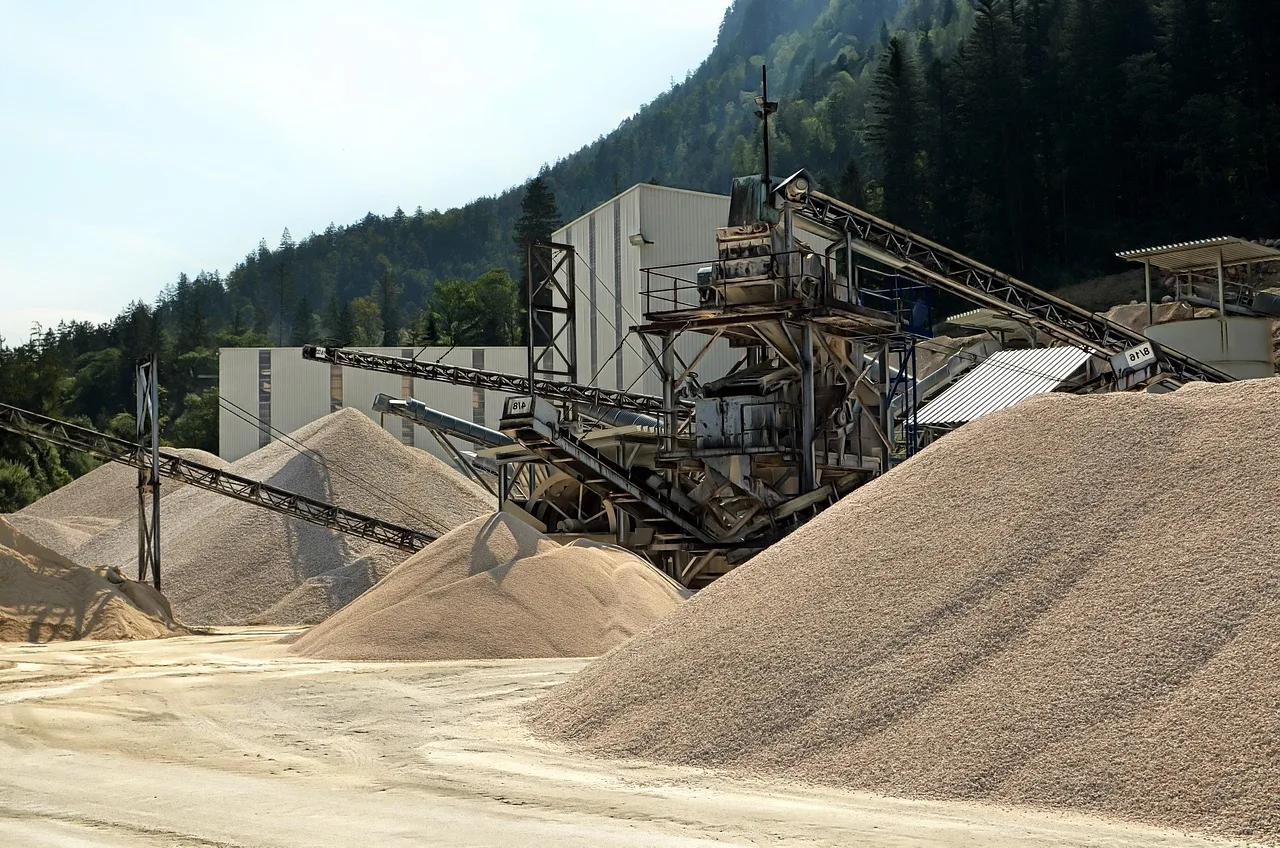
Common bulk materials and typical uses
— Sand (river, quarry, washed) — mortar, concrete, backfill, leveling.
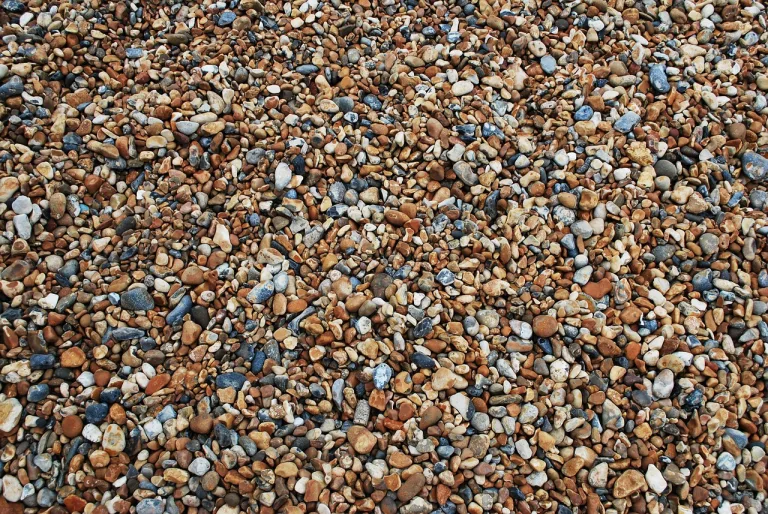
— Crushed stone / gravel (fractions 5–20 mm, 20–40 mm, etc.) — concrete aggregate, road base, drainage.
— Crushed concrete / recycled aggregate — base layers, temporary works.
— Topsoil / fill soil — landscaping and site filling.
— Cement (bulk or bagged) — concrete, mortar. Bulk deliveries often by pneumatic tanker.
— Lime, fly ash, slag — soil stabilization, additives.
— Bitumen / road materials — pavements and waterproofing.
— Bulk gypsum, gypsum-based mixes — plaster and wall systems (less common in true bulk form).
How to calculate volumes and convert to weight
— Volume formula: *m³ = area (m²) × thickness (m)*.
Example: 100 m² slab at 0.15 m thickness → 100 × 0.15 = 15 m³.
— Typical bulk densities (approximate ranges):
— Sand: *1,500–1,700 kg/m³*
— Gravel/crushed stone: *1,500–1,900 kg/m³* (depends on fraction & compaction)
— Cement (bulk): *~1,400–1,500 kg/m³* — one 50 kg bag ≈ 0.033–0.036 m³ (so ~28–30 bags per m³)
— To estimate tonnes: *tonnes = m³ × density (t/m³)*. Example: 15 m³ sand × 1.6 t/m³ = 24 t.
Delivery and logistics — what to expect in Vladimir
— Typical delivery vehicles:
— Small dump trucks: 5–10 m³ (urban access).
— Standard KamAZ dump: 10–20 m³ / 10–20 tonnes.
— Side-tippers, articulated trucks for larger loads.
— Bulk cement: pneumatic tankers.
— Arrange delivery details:
— Precise drop location, approach road width and load-bearing capacity.
— Unloading type: self-unloading truck vs. crane/unloader.
— Permits for oversized/overweight loads if needed.
— Lead times vary by season and supplier availability — expect longer waits during spring thaw and peak construction months.
Storage and on-site handling
— Store aggregates on well-drained, raised bases and separate by type/fraction with clear labels.
— Cover sand and cement with tarpaulin to prevent moisture ingress; cement should be off the ground on pallets.
— Avoid mixing different batches/fractions — keep a FIFO approach.
— For long-term storage, build hardstandings and keep access for loaders.
Quality control and documentation
— Always request a *material quality certificate* / test report and delivery note.
— Check for:
— Gradation (fraction size distribution)
— Excess fines and organic contamination (for sand/topsoil)
— Moisture content (affects volume and weight)
— Visible contaminants (ash, clay lumps, debris)
— Ensure compliance with applicable Russian standards (GOST/SNIP where relevant) and ask suppliers for certificates of conformity.
Pricing — factors that affect cost
— Distance from quarry / supplier — transport is often the largest cost item for heavy materials.
— Material type and fraction (clean washed sand costs more than raw pit sand).
— Seasonal demand and availability — spring thaw may restrict deliveries and raise prices.
— Minimum order quantities and whether the supplier offers bulk discounts.
— Additional services (unloading, spreading, on-site testing) are extra.
Local considerations for Vladimir and Vladimir Oblast
— Check local road conditions and municipal weight limits — spring (rasputitsa) can impose