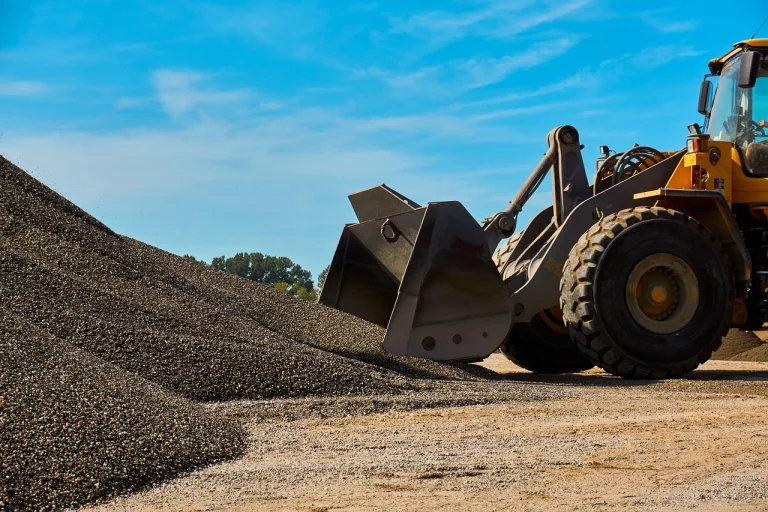
Bulk Building Materials in Vladimir, Russia: Your Practical Guide to Supply, Delivery and Storage
Bulk Building Materials in Vladimir, Russia: Your Practical Guide
Whether you’re managing a large construction site or renovating a private home in Vladimir (Владимир), sourcing bulk building materials efficiently can save time, money and headaches. This guide explains what to buy, how to calculate quantities, delivery and storage best practices, and local considerations to keep your project on schedule.
Common bulk materials and where they’re used
— Sand — mortar, concrete, backfill, leveling
— Crushed stone / gravel — concrete mixes, roadbeds, drainage
— Crushed rock (stone screenings) — base layers, paving preparation
— Cement (bulk bags/Big Bags) — concrete and mortar production on-site
— Lime and gypsum (bulk/bags) — plastering, soil stabilization
— Bulk bricks/blocks (pallets) — masonry delivered in large quantities
— Ready-mix concrete (delivered by mixer trucks) — foundations, slabs, columns
— Topsoil and fill — landscaping and site filling
— Recycled aggregate — more economical, eco-friendly option for non-structural layers
Local supply & delivery considerations in Vladimir
— Sources: local quarries, sand pits and concrete plants supply most needs. Using regional suppliers reduces transport costs.
— Delivery types: dump trucks for sand/gravel, Big Bags (1 t) for smaller quantities, mixer trucks for ready-mix concrete, pallets for bricks/blocks.
— Access & unloading: confirm site access (road width, overhead clearances) and whether you can unload with a crane or need self-dumping vehicles.
— Timing: order in advance for peak seasons (spring and summer). Cold months may limit quarry operations and affect concrete curing/delivery.
Quality and standards
— Ask suppliers for material certificates and compliance with Russian standards (GOST) or technical passports. Typical checks:
— Grain size distribution for sand and gravel
— Dust and clay content in sand
— Fraction size and strength for crushed stone
— Cement grade (e.g., М400/М500 — confirm with supplier)
— For structural concrete and critical works, insist on certified ready-mix batches and delivery documentation.
How to calculate quantities (simple formulas)
— Volume (m³) = Area (m²) × Thickness (m)
— Example: 50 m² slab at 0.15 m thickness = 7.5 m³
— Add allowances for waste:
— Sand/gravel for masonry/mortar: +5–10%
— Excavation/fill: +5–15% for compaction and settlement
— Concrete: order 5–10% extra for losses and over-excavation
— Converting mass ↔ volume: densities vary by material. Ask supplier for bulk density or use m³ quantities for ordering whenever possible.
Ordering tips to save time and money
— Consolidate orders to reach truckload volumes — prices often drop per cubic meter with larger orders.
— Compare quotes from multiple suppliers including delivery, unloading, and any disposal fees.
— Specify required particle sizes and cleanliness (washed sand vs. natural sand).
— For long projects, negotiate a delivery schedule and locked-in price for a defined period.
— Use Big Bags for small or intermittent needs to avoid minimum truckload charges.
Storage and handling on site
— Keep sand and aggregates elevated and covered to prevent contamination and water ingress.
— Store cement and gypsum in a dry, ventilated place on pallets and cover with tarpaulins — prevent moisture exposure.
— Separate different fractions to avoid accidental mixing of particle sizes.
— For seasonal projects in Vladimir’s cold months: protect materials from freezing; frozen aggregates can affect mixing and compaction.
Environmental, safety and regulatory notes
— Ensure supplier operates licensed extraction sites and provides environmental documentation if requested.
— Manage runoff and dust on-site — wet down dusty loads and keep stockpiles contained.
— Dispose of construction waste per local regulations; consider using recycled aggregates where appropriate.
— For large excavations or material storage yards, check local municipal rules or permitting requirements.
Practical checklist before ordering
— Confirm exact volume in m³ and include percentage for waste.
— Verify access for the delivery vehicle size you’ll need.
— Ask for material certificates and delivery lead times.
— Decide on storage location and protection against weather.
— Schedule delivery time to match workforce availability and concrete pouring windows (if using ready-mix).
Tips for contractors and homeowners
— For DIY and small jobs, buy in Big Bags to avoid minimum-order penalties.
— For contractors: maintain relationships with 2–3 reliable suppliers to avoid last-minute shortages.
— Use on-site mixing only if you can guarantee consistent proportions and quality — otherwise prefer certified ready-mix concrete.
— Track deliveries and certificates for warranty and compliance documentation.
Conclusion
Sourcing bulk building materials in Vladimir requires planning, clear specifications and reliable delivery logistics. Prioritize certified suppliers, calculate realistic volumes with allowances, and prepare secure, dry storage. With the right approach you’ll reduce waste, control costs and keep your project on schedule.
If you’d like, I can:
— Help calculate exact material volumes for your project (provide area, thickness and intended materials), or
— Outline a sample ordering/delivery plan based on your site constraints.